Description of Marconi 107a Item Number: 4681
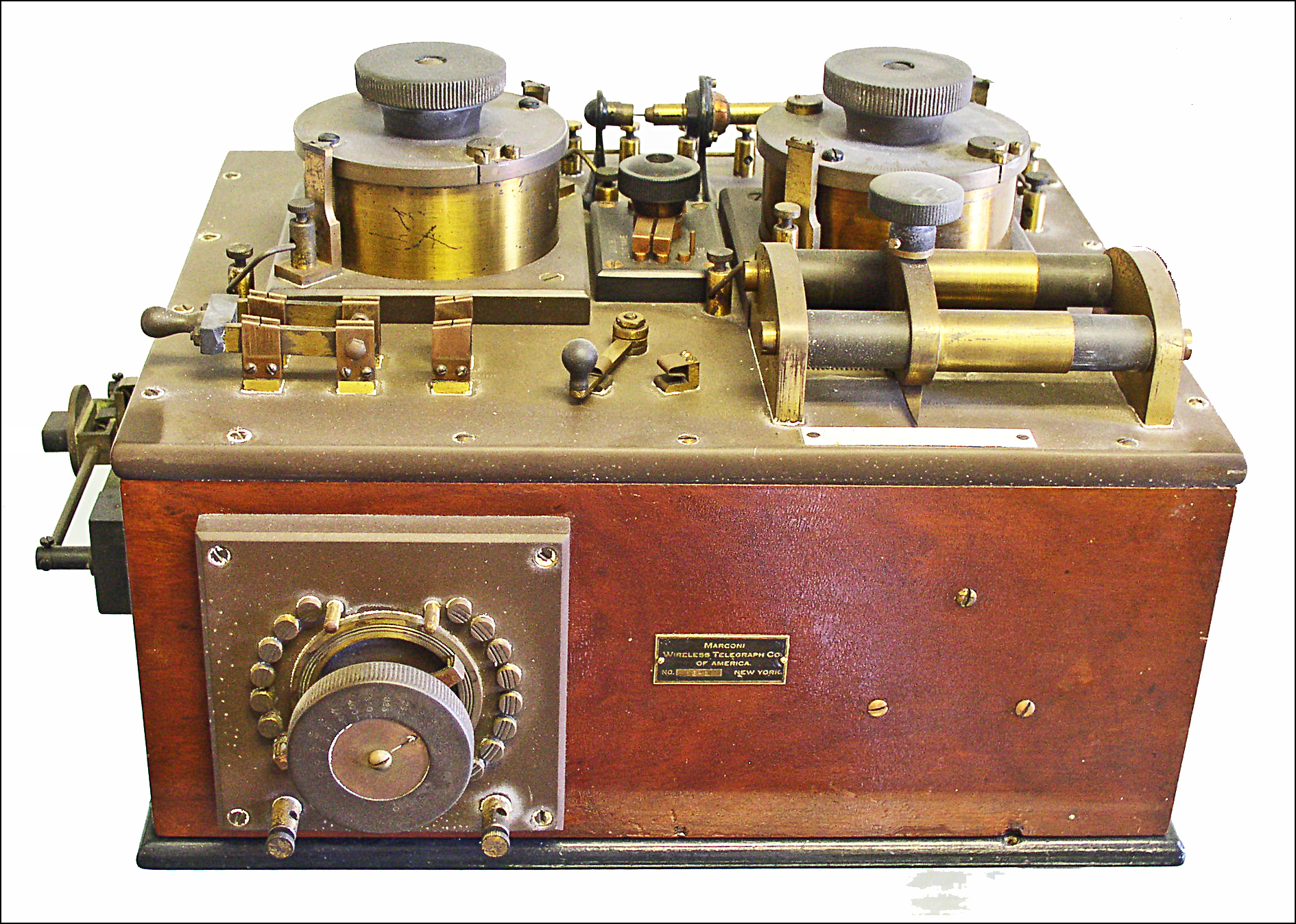
The Marconi of America type 107A radio receiver is a modified version of the type 103.
This specific unit remains in original, unrestored condition, reflecting a preference for conservation over restoration. Remarkably, having last served aboard an oil-fired steamship, it still carries a faint scent of fuel oil, adding to its provenance and evoking the ambiance of the radio room.
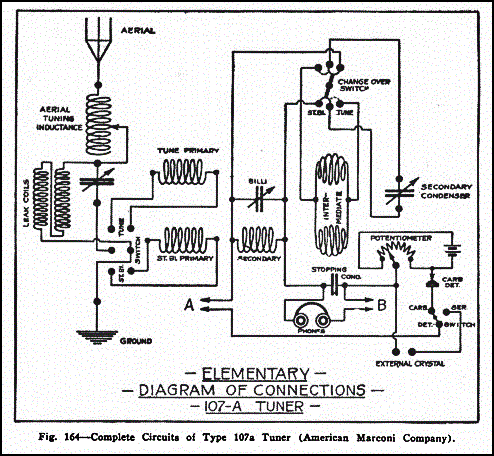

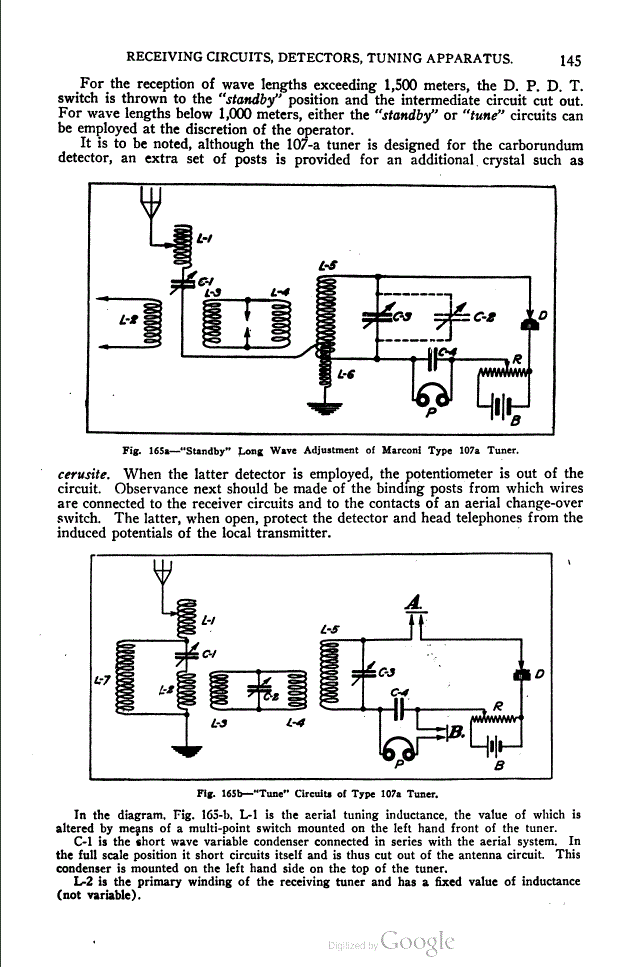
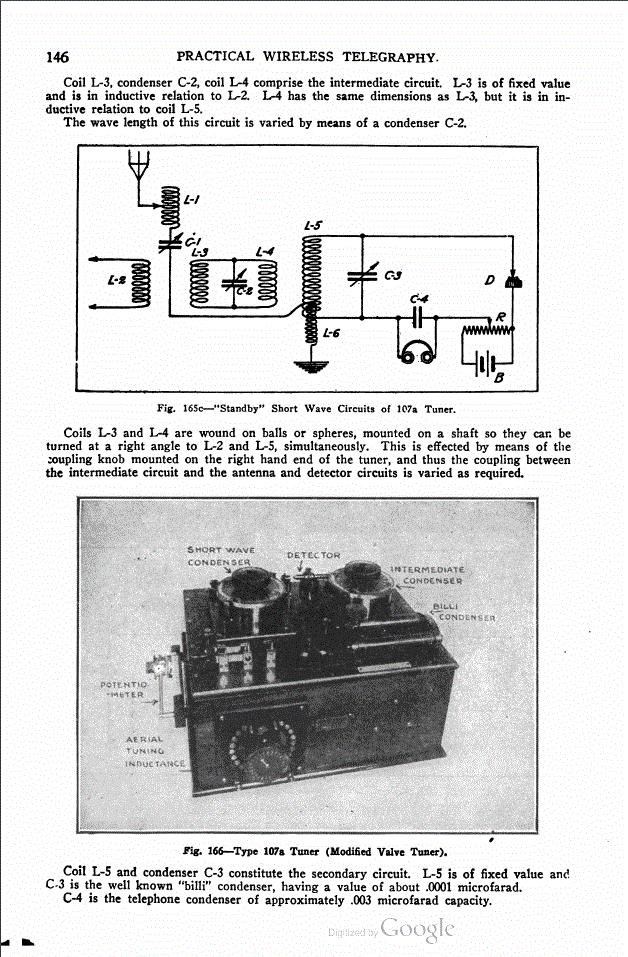
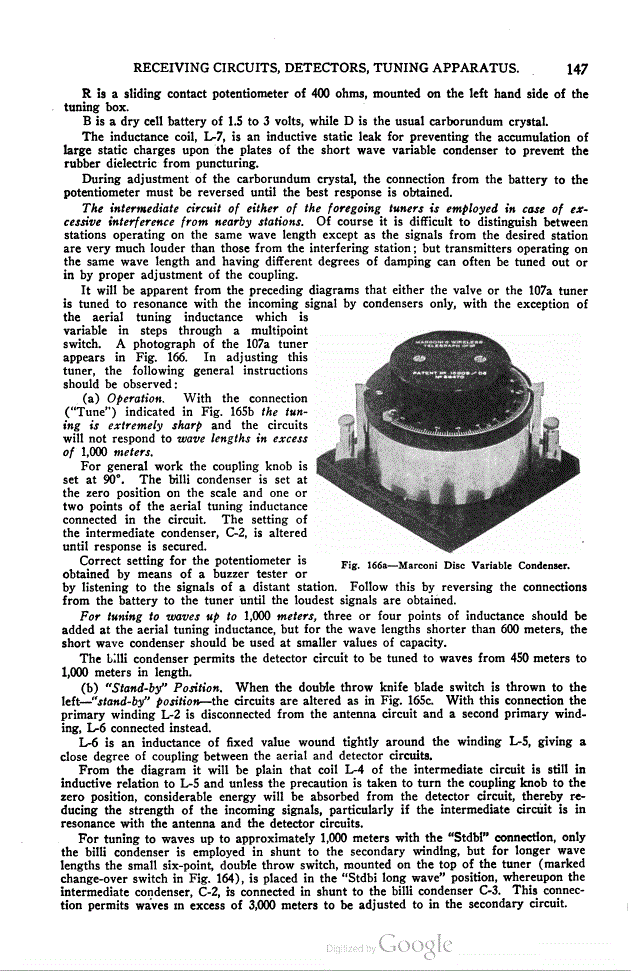
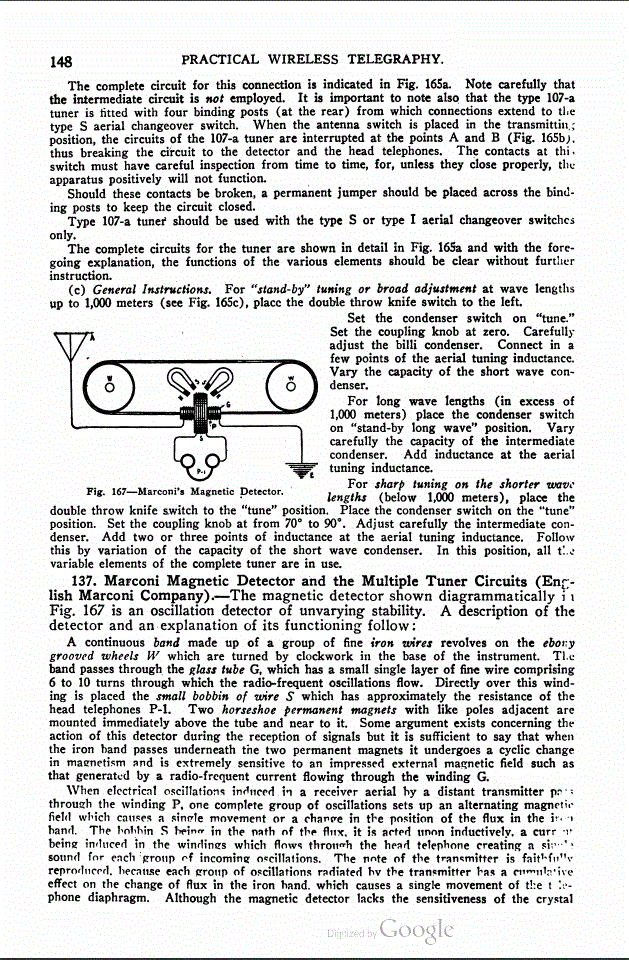
Type 107a circuit description and operating instructions below are reproduced from Practical Wireless Telegraphy: By Elmer Eustice Bucher .
-
 Page 144
 -
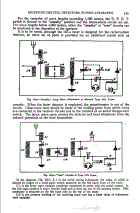 Page 145
 -
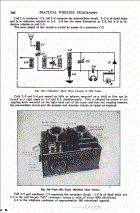 Page 146
 -
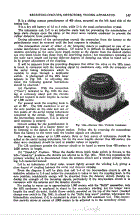 Page 147
 -
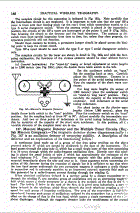 Page 148
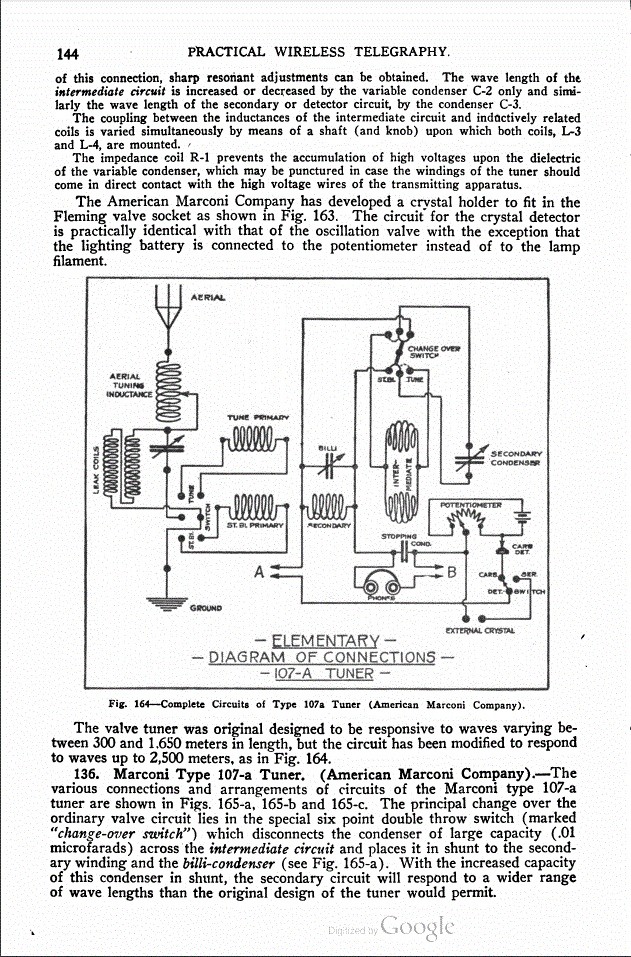
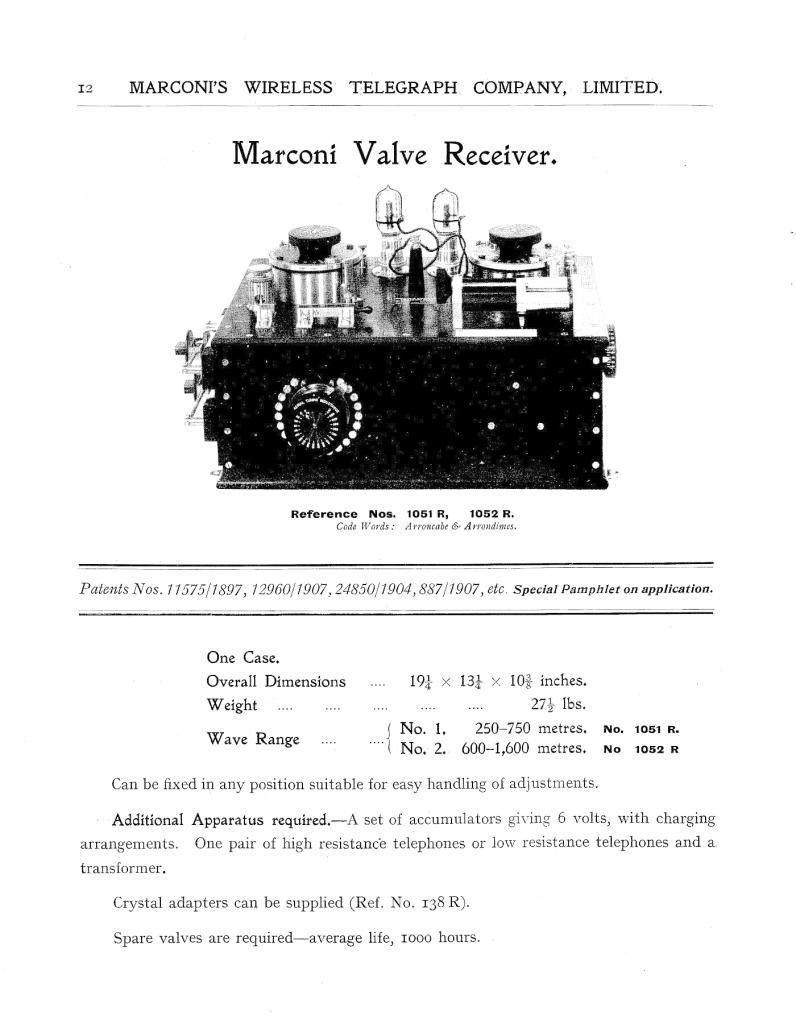
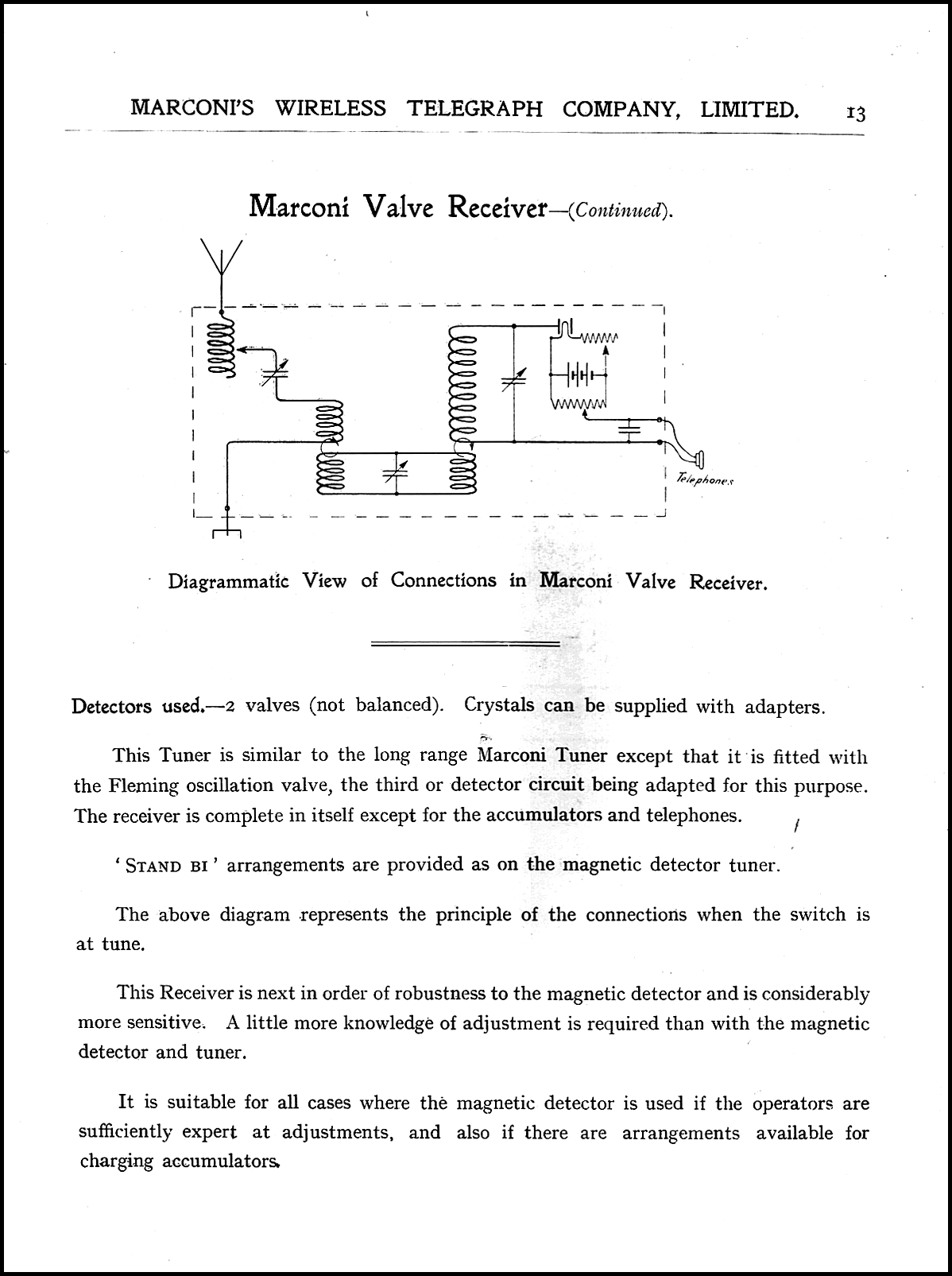
These two pages below from the Marconi's Wireless Telegraph Co., Ltd. of London catalog showing the English 1051 R and 1052 R Valve Receivers that differ from the Marconi of America Type 103 chiefly in the type of detector employed. The conversion of the Type 103 to Type 107a consisted of adding a switch placed between the two condensers and the removal of a few turn from some of the coils.

This particular 107A was converted from type 103 to type 107a on July 26, 1916 for use aboard the SS Spokane.
In case you were not aware the American Marconi 107a was either a converted British valve receiver (shown in the two catalog pages above} or American Type 103 converted to Type 107a. Mine is the 103 converted. The main additions/changes were the switch between the round condensers and removal of turns from some of the coils. At one time I had the conversion instructions for both versions. Lent them to someone and never saw them again.
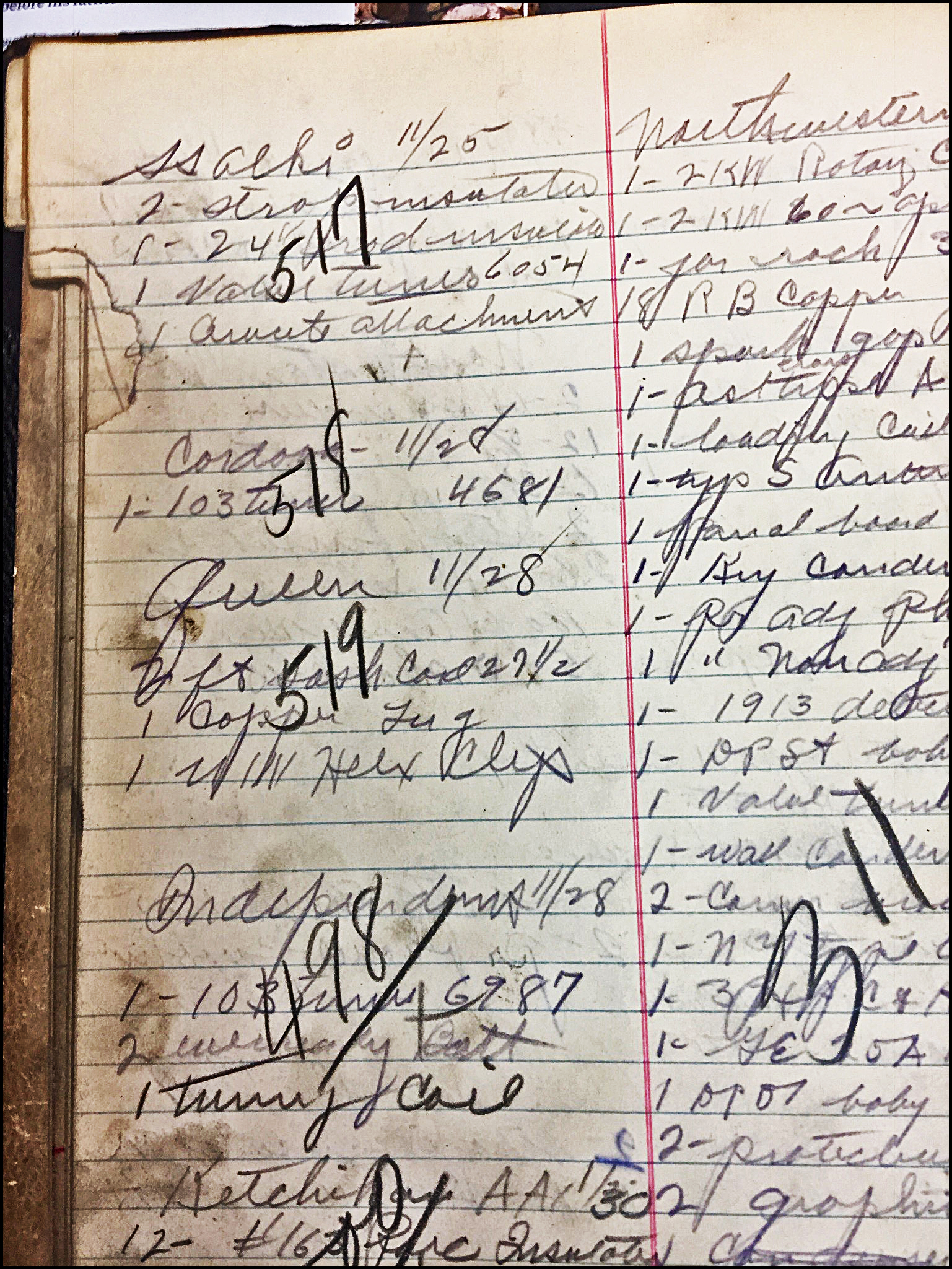
On November 28, 1914 one type 103 "tuner" Item Number: 4681 was delivered to the Cordova. This set was sent to SS Spokane as the 103 on February 16, 1916. The conversion kit to convert to 107a was sent on July 26, 1916. I have the original logs showing item issues and receipts for 1914-16. The pages of this log relating to this Type 107a are shown below.
The American Marconi items are much harder to find than the British items. I know from experience with other types of items that the British buyers love original finishes as long as they are not rough. American buyers tend to be more split on the shiny new vs. authentically aged debate. British sellers polish brass before trying to sell it to Americans. There are levels. There is original, cleaned, restored, and over-polished or as the British say, tarted up. That means an unpolished American model will have buyers here and in the UK but an over-polished British model will have buyers mostly here. Reduce the buyers, reduce the price.
-
 Billi condenser
 -
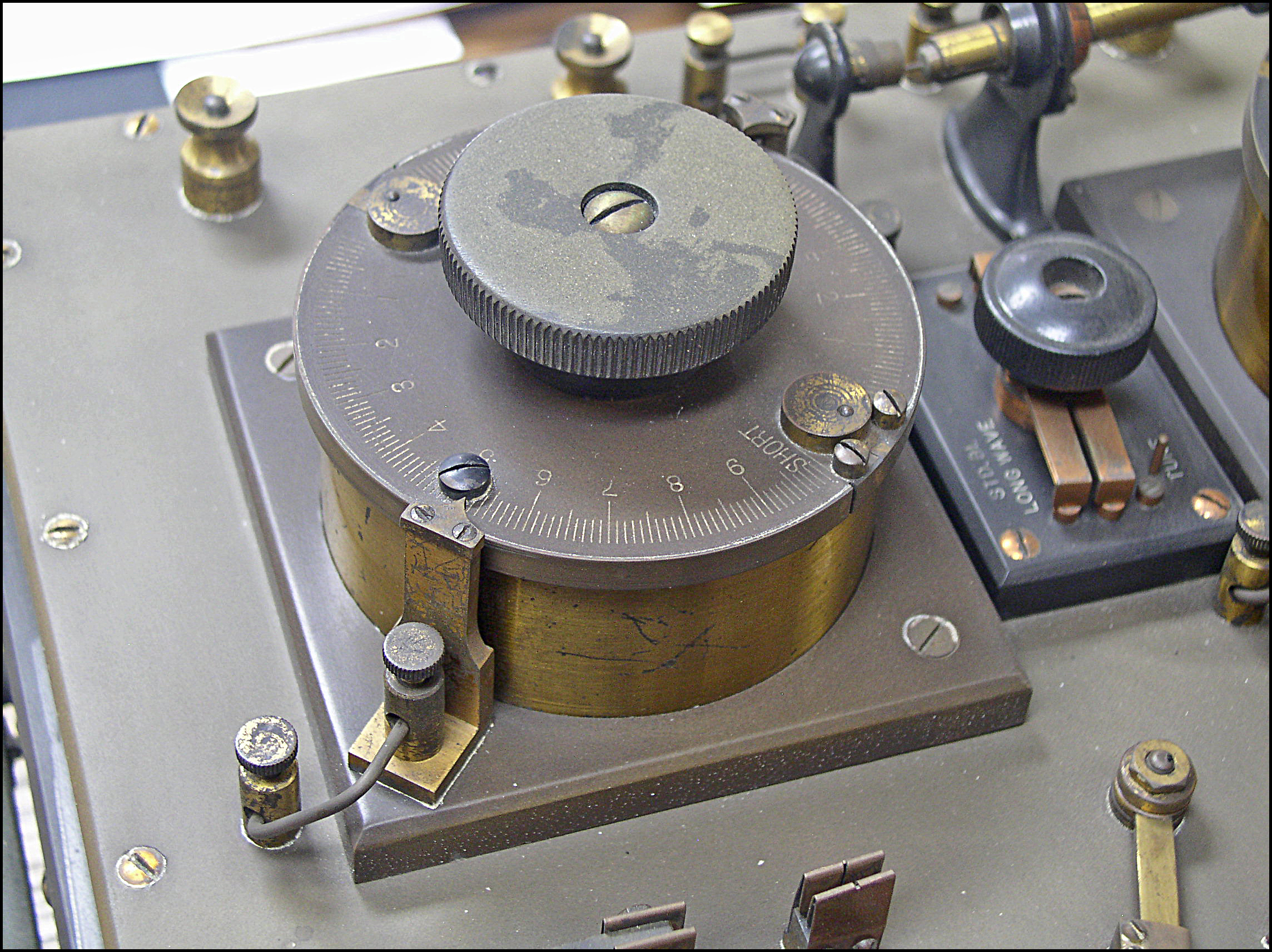
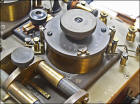 Intermediate Condenser
 -
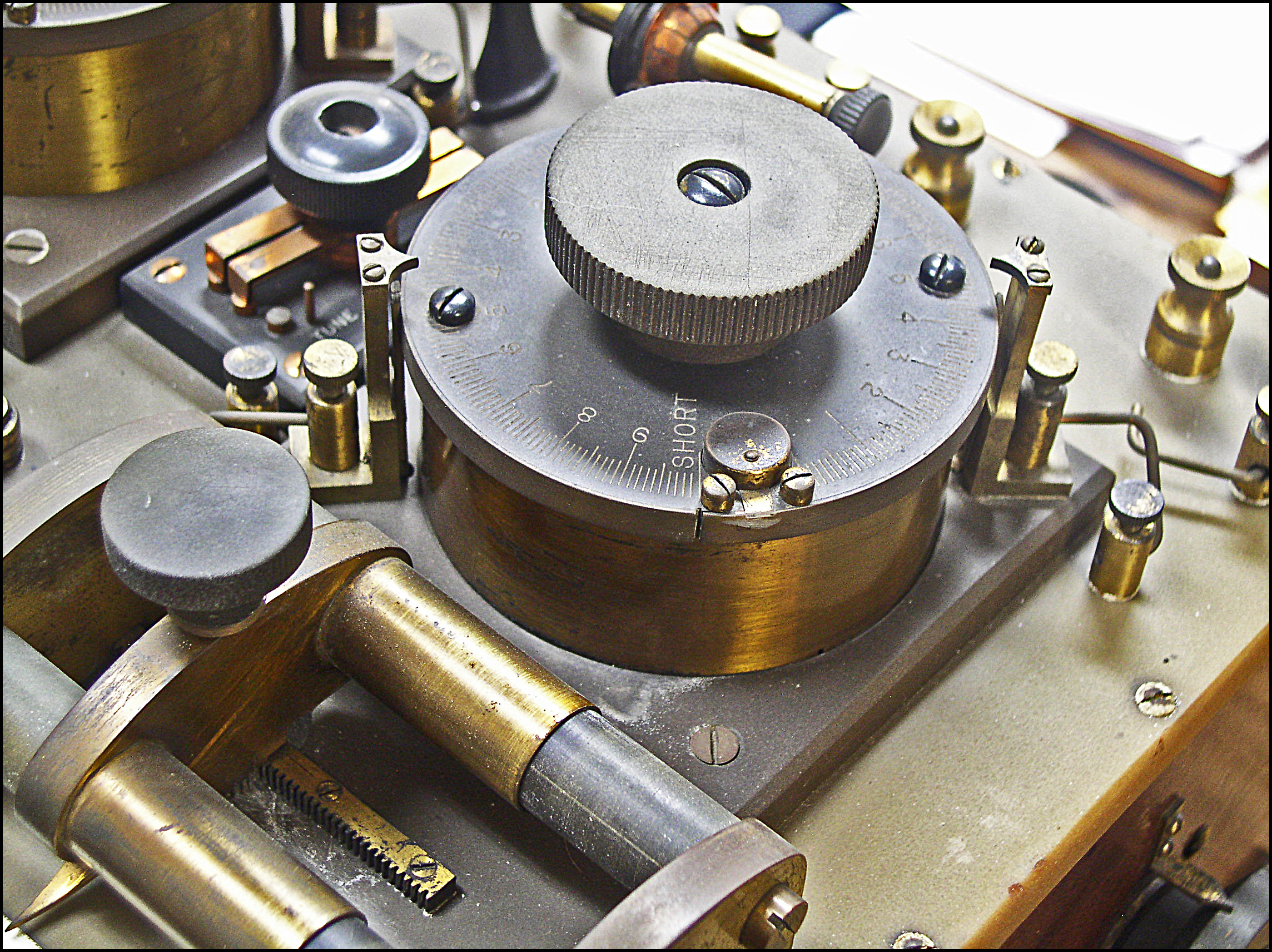
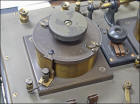 Short Wave Condenser
 -
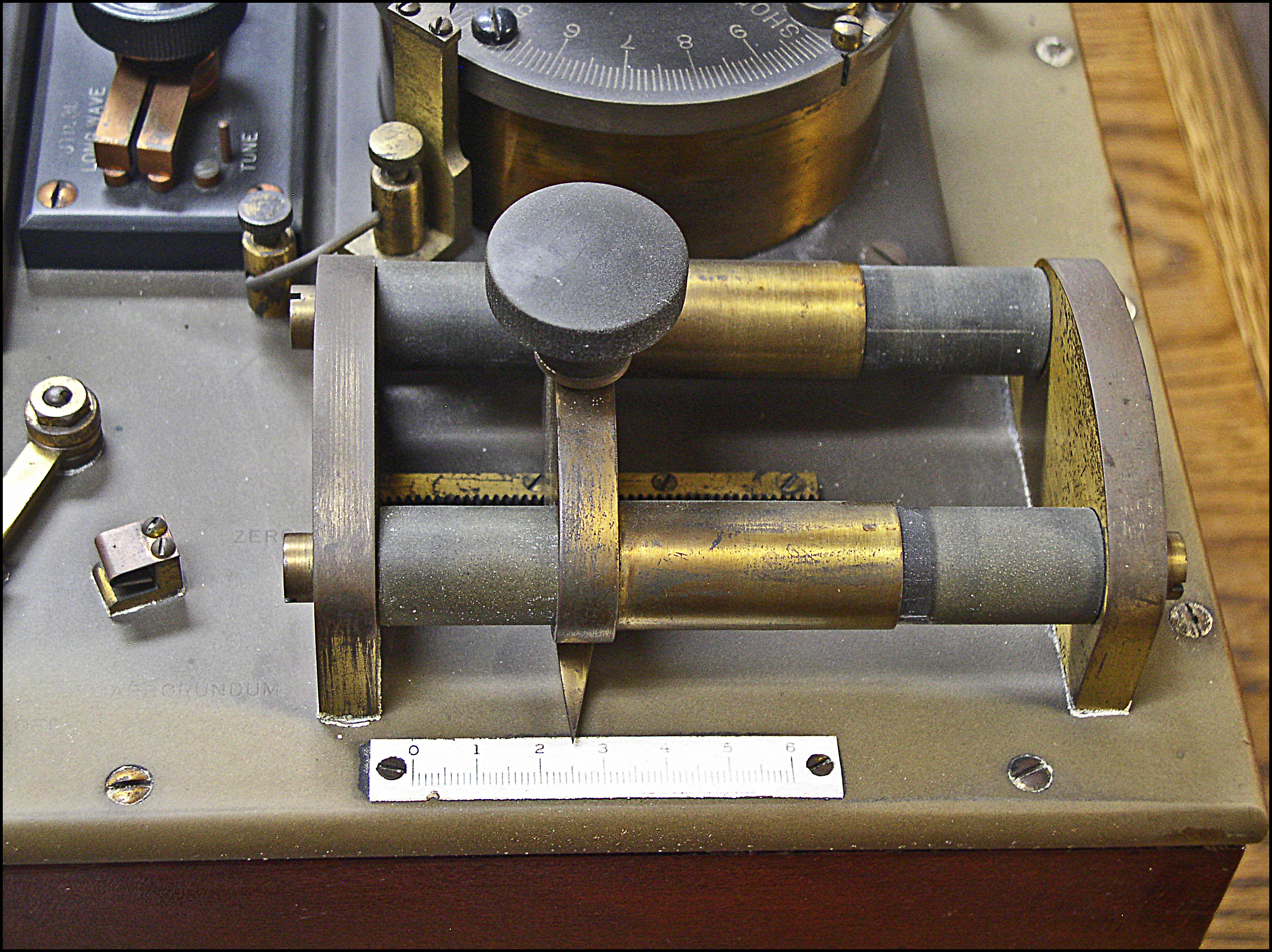
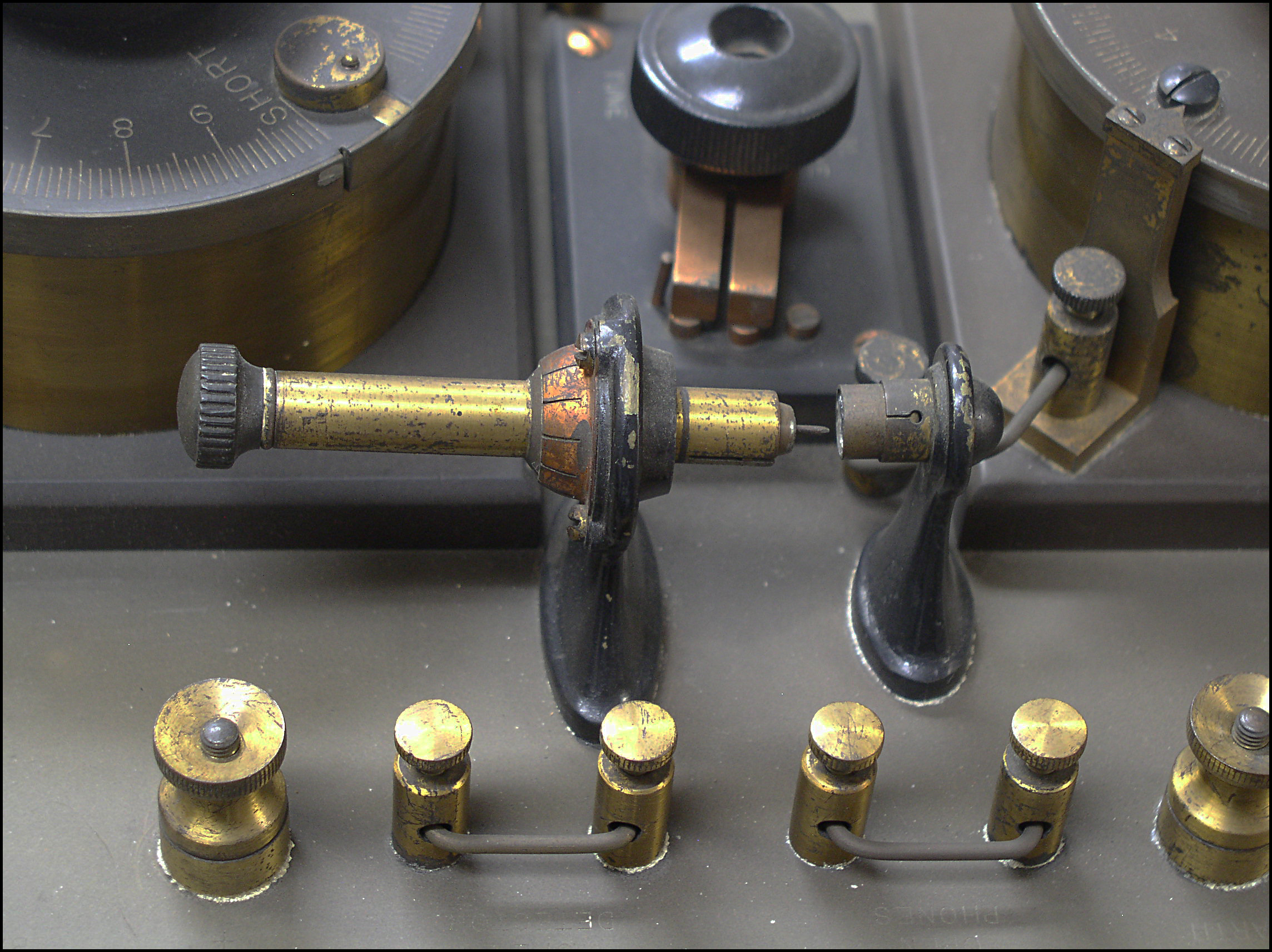
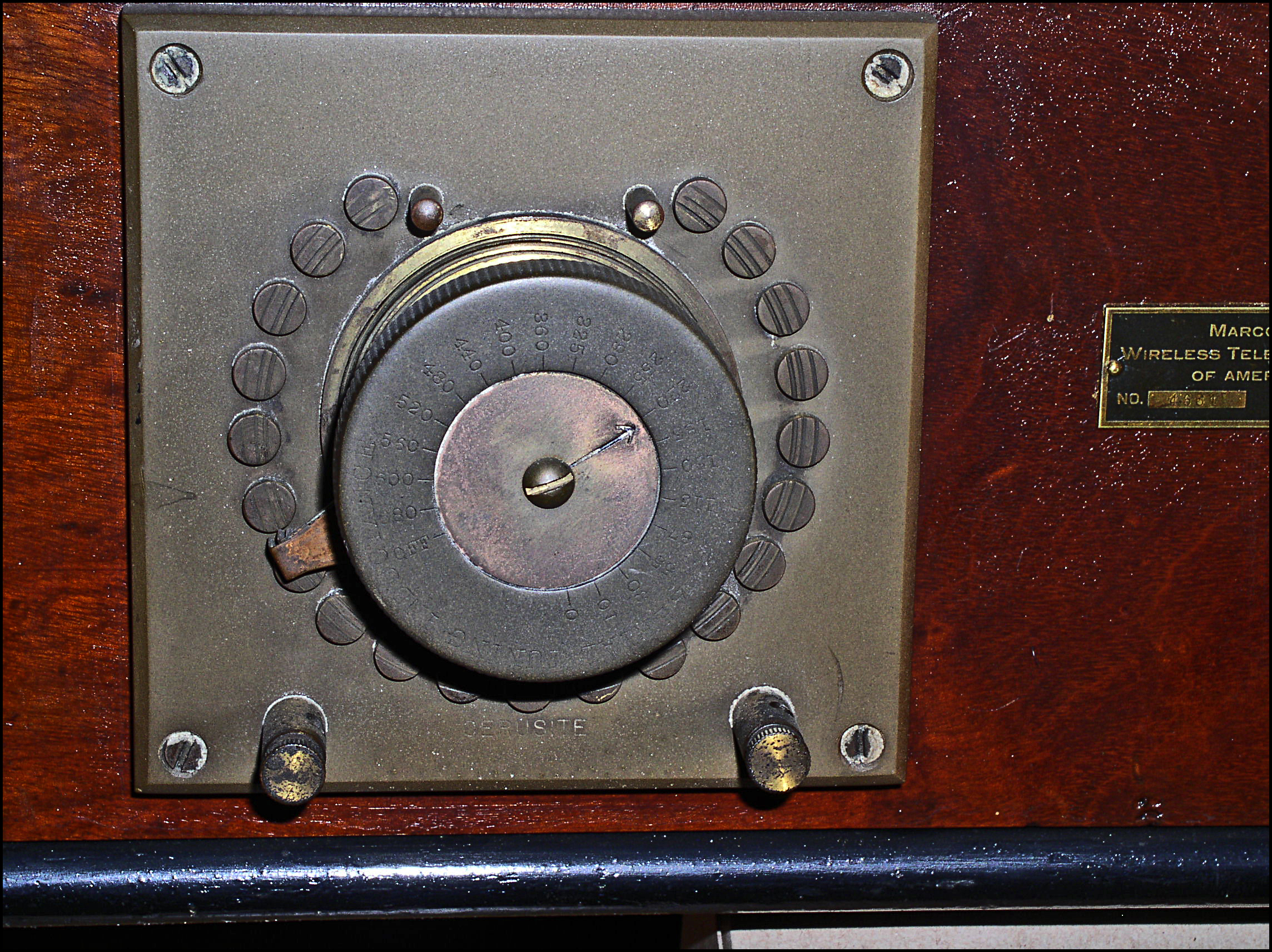
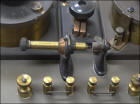 Carborundum Detector
 -
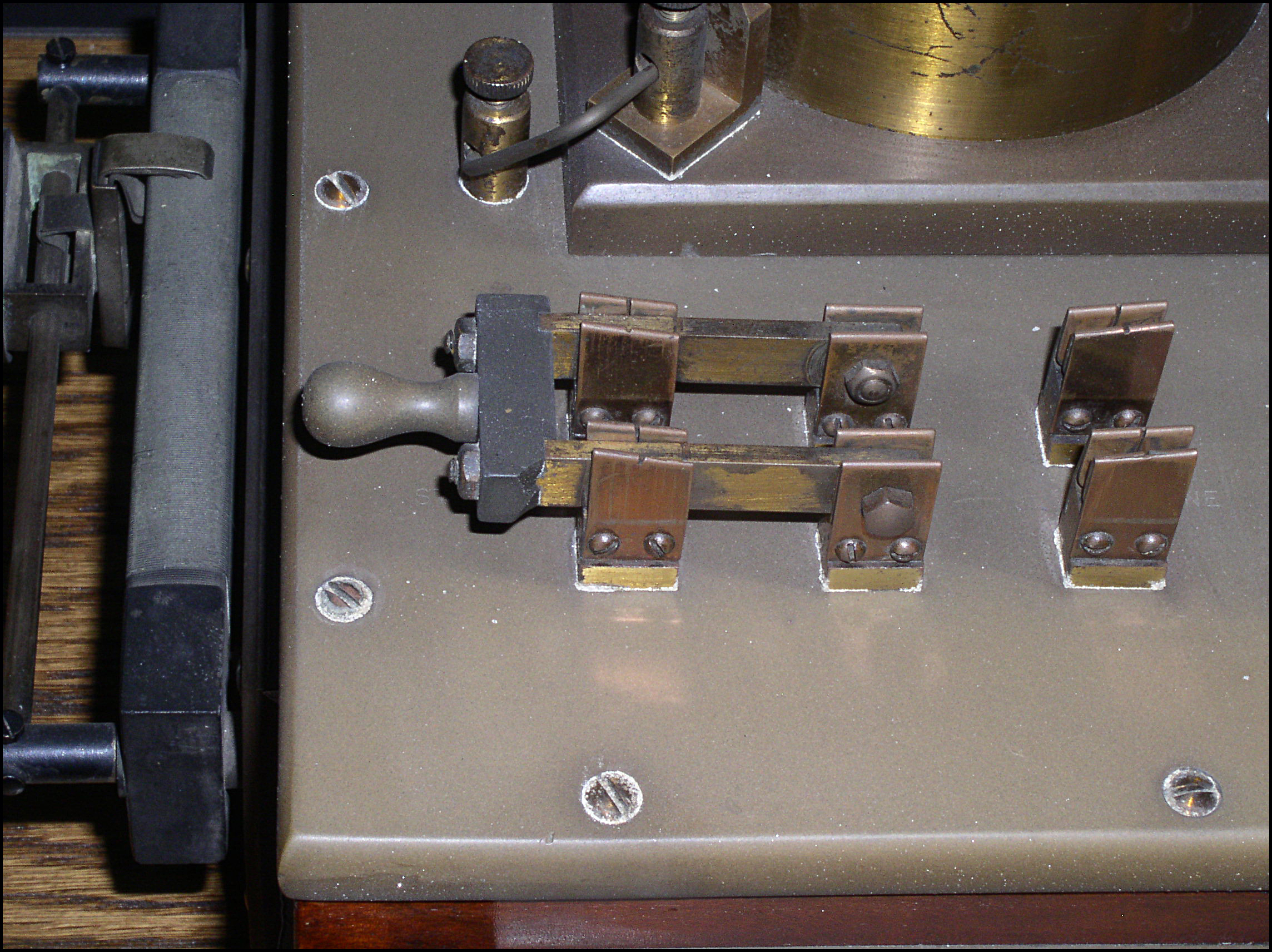
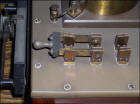 Changeover Switch
 -
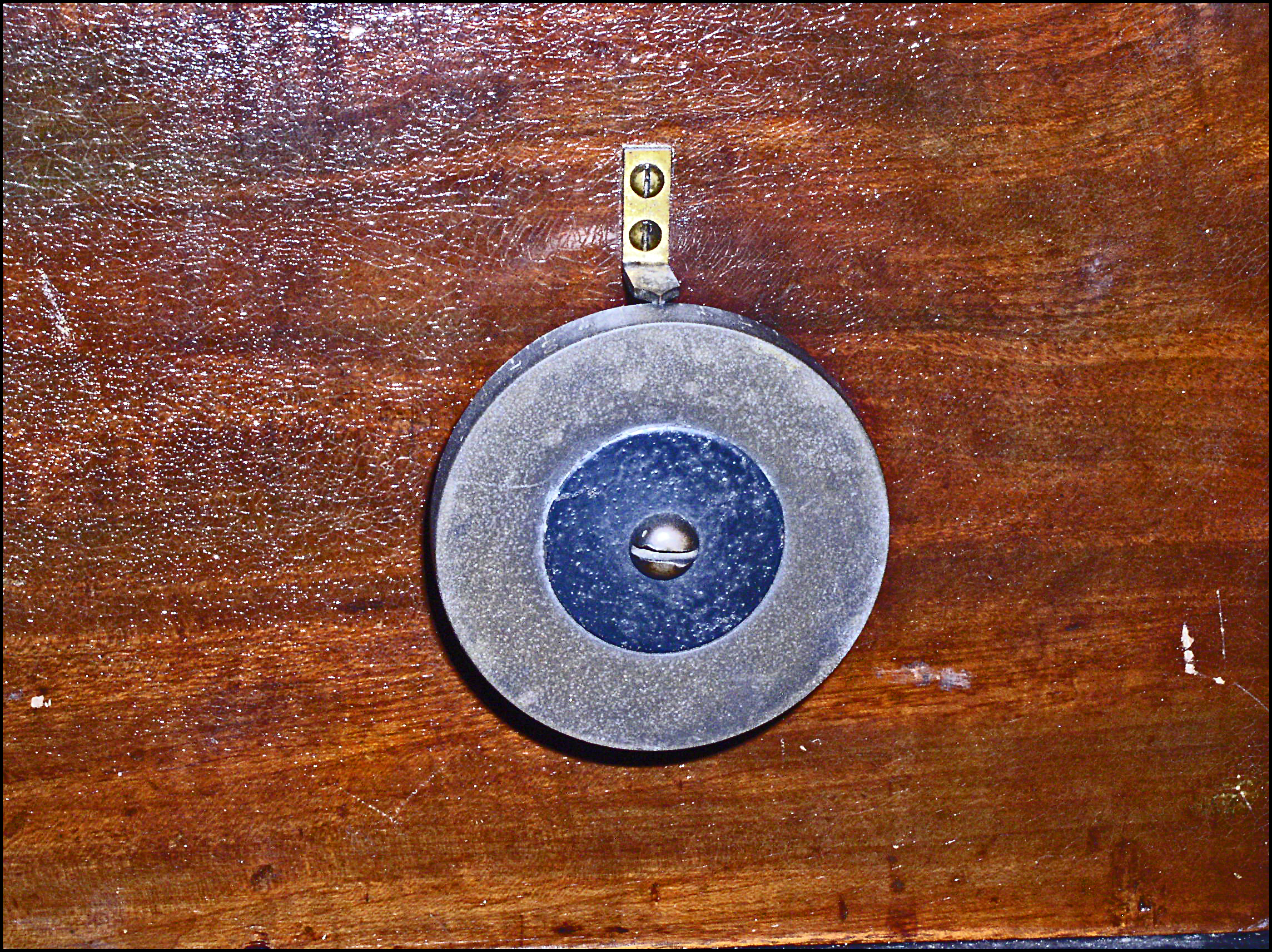
_P1010012_small.jpg) Detector Bias Potentiometer
Detector Bias Potentiometer -
 Coupling Variometer
_P1010012.jpg)
-
 Aerial Tuning Inductance
 -
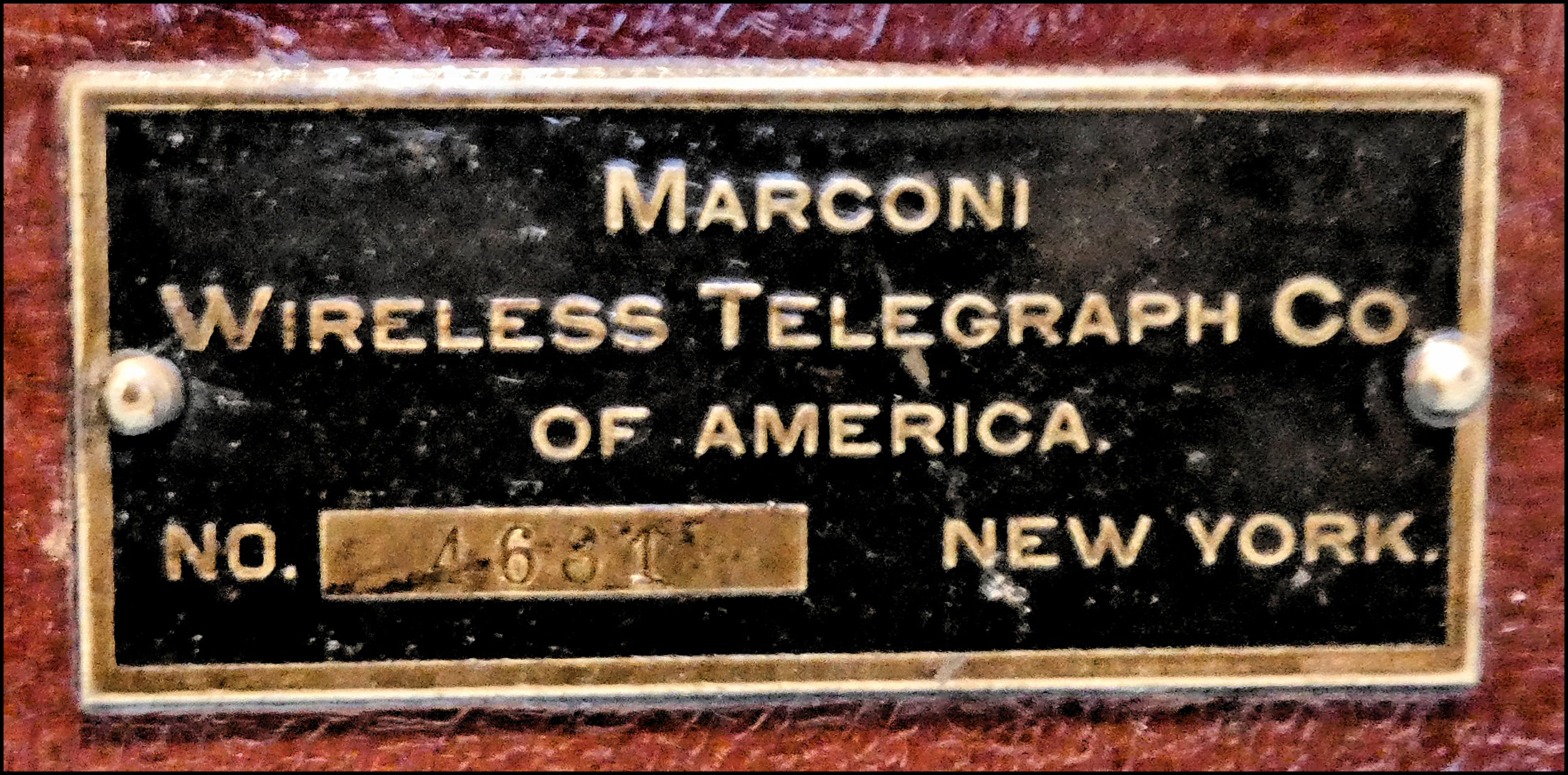
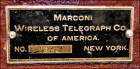 Nameplate
 -
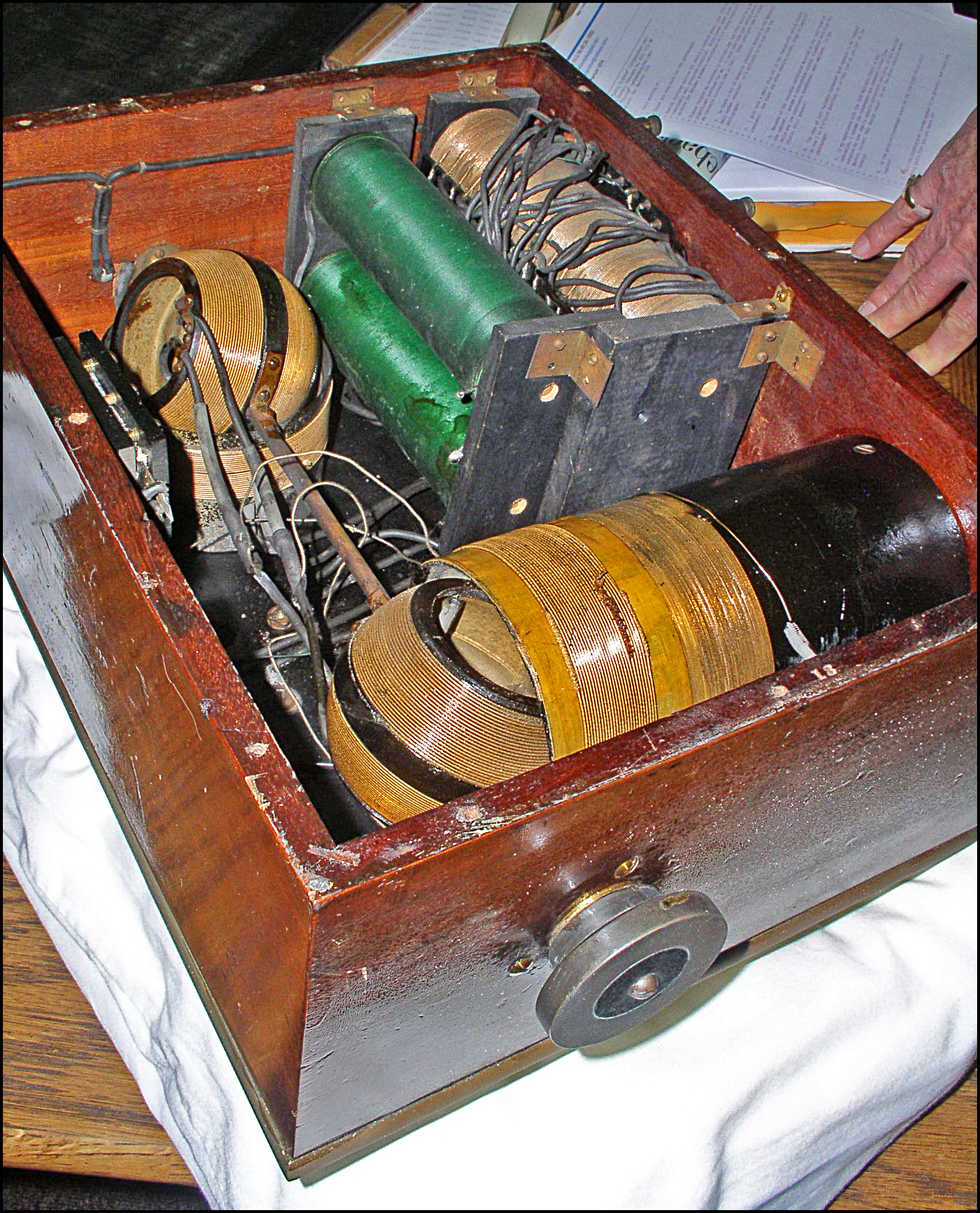
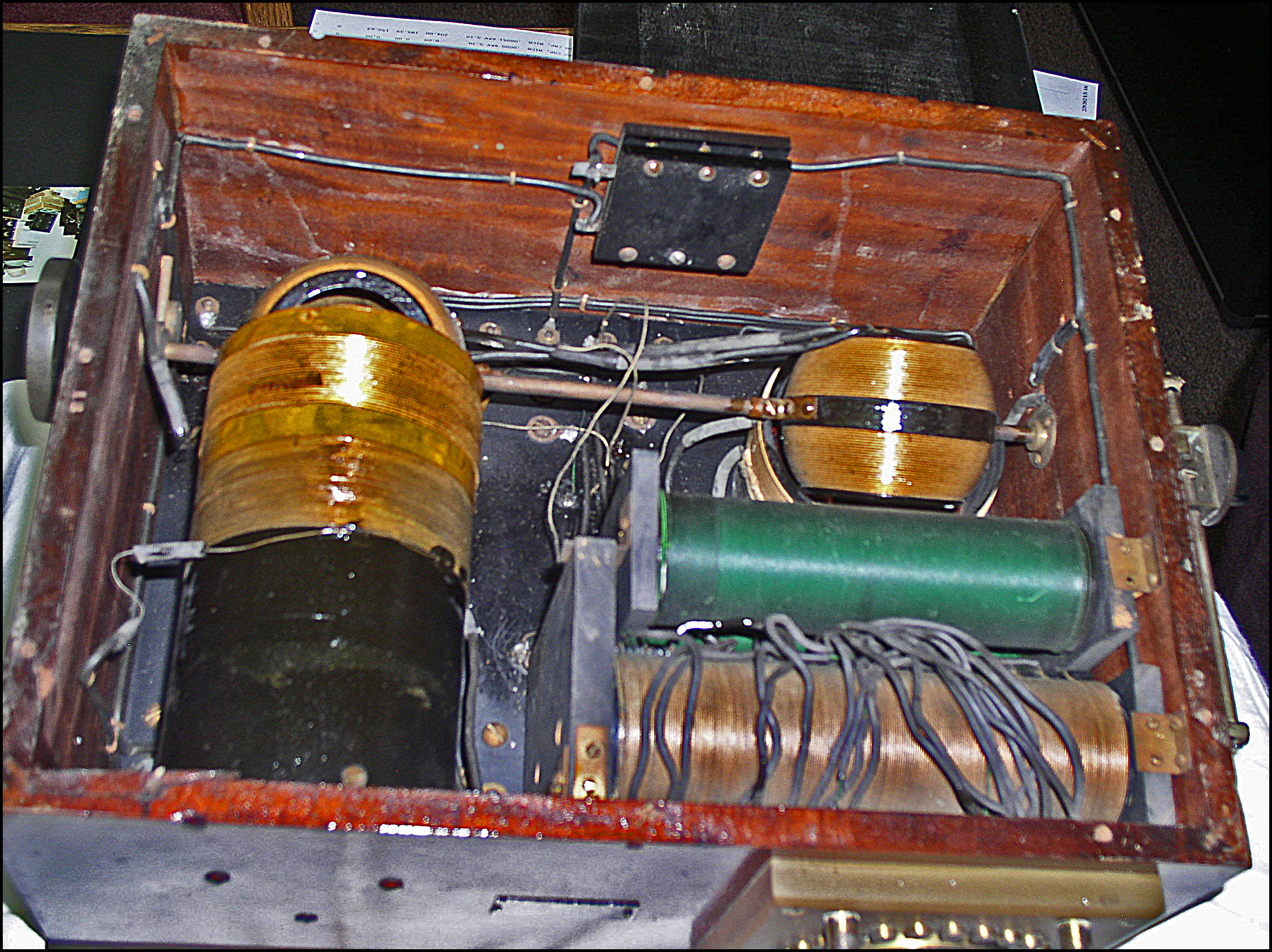
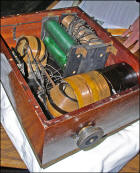 Interior View 1
 -
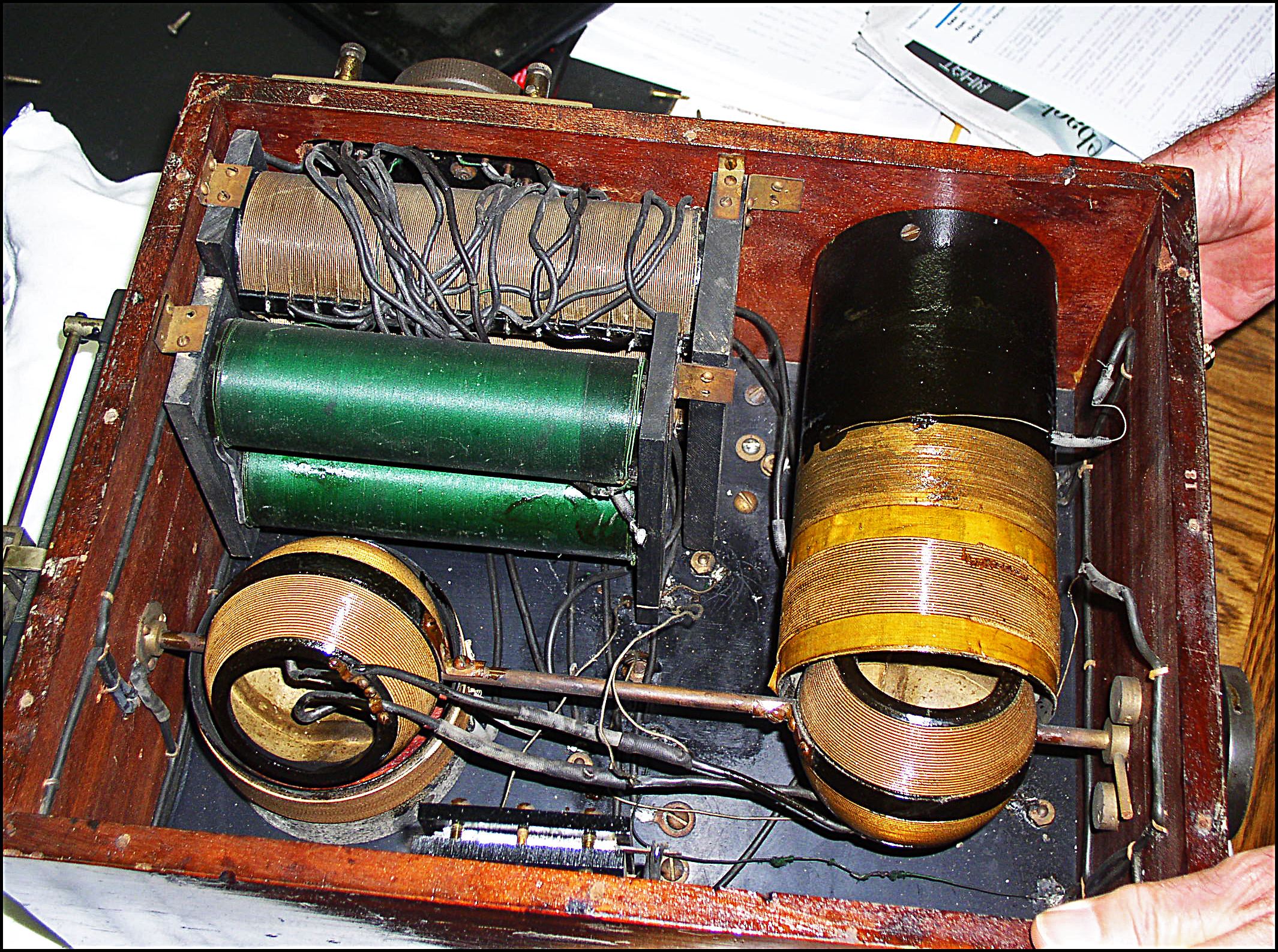
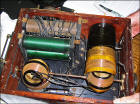 Interior View 2
 -
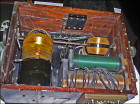 Interior View 3
Marconi Journal Pages for Item #4681
The following Marconi journal pages document the movement of tuner Item Number 4681, linking its service aboard both the SS Cordova and the SS Spokane during the 1914-1916 period.
-
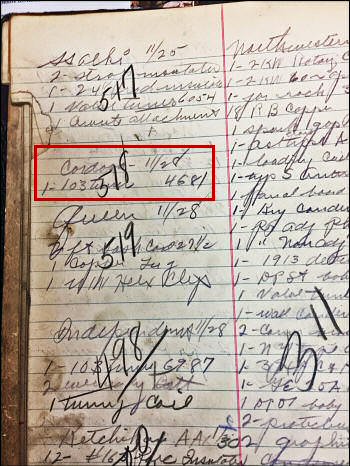
November 28, 1914: One type 103 "tuner" Item Number: 4681 delivered to Cordova.
-
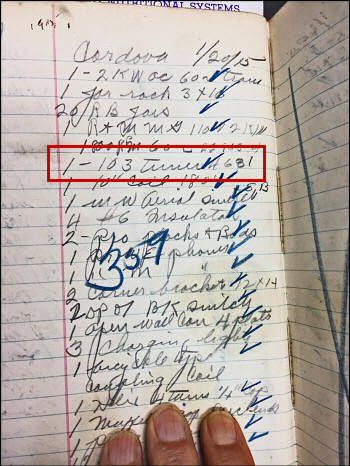
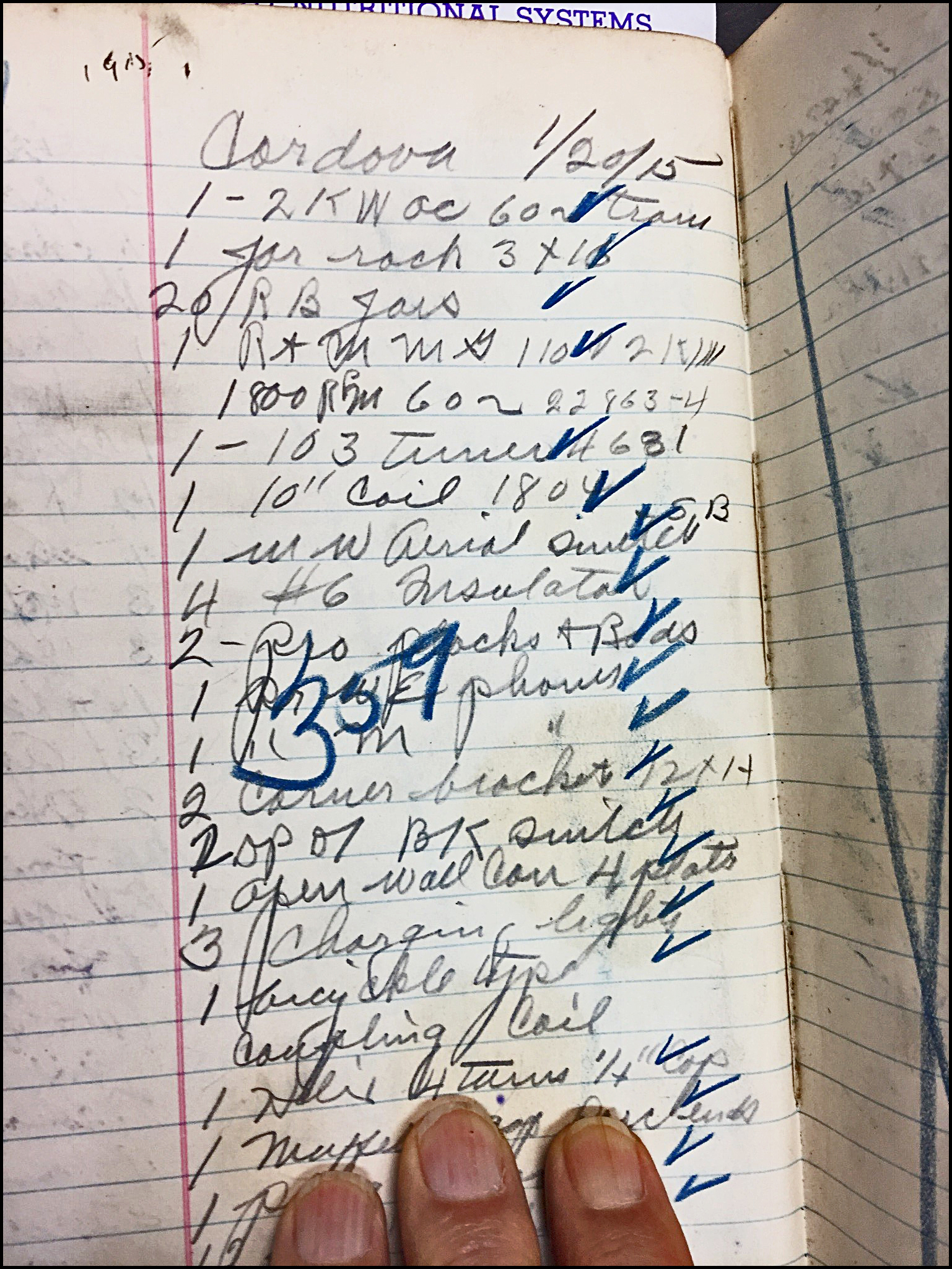
January 20, 1915: type 103 "tuner" Item Number: 4681 and other station equipment returned from Cordova.
-
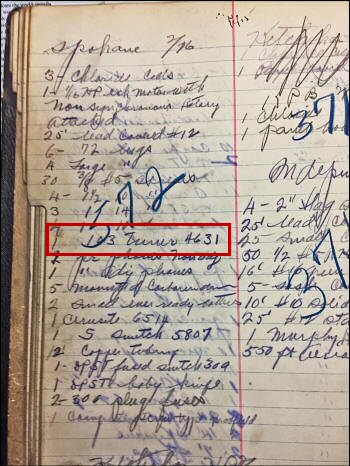
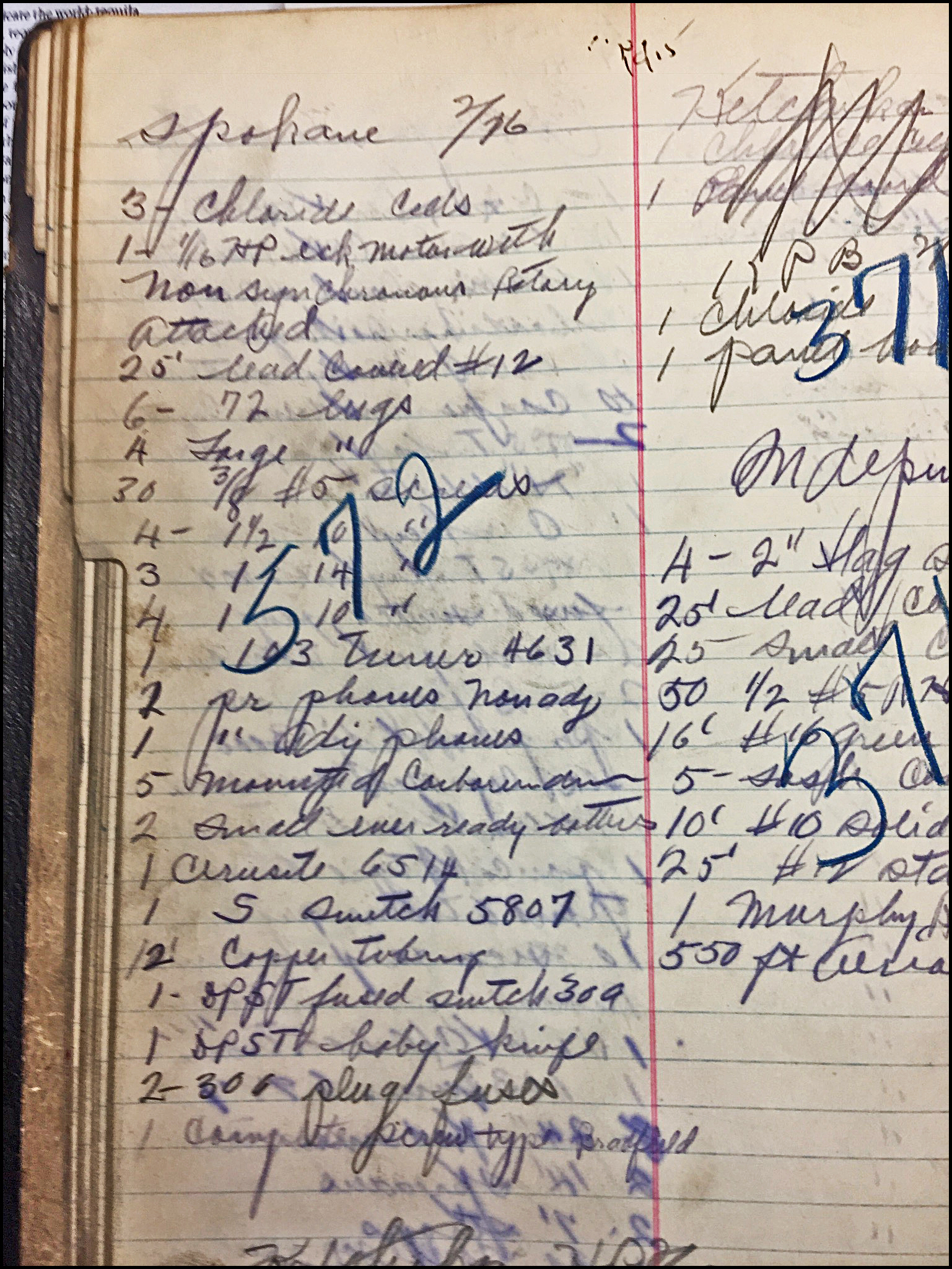
February 16, 1916: Type 103 "tuner" Item Number: 4681 and equipment required to convert the Type 103 to type 107a was delivered to the SS Spokane. Item Number erroneously entered as 4631 due to stamp illegibility.
-
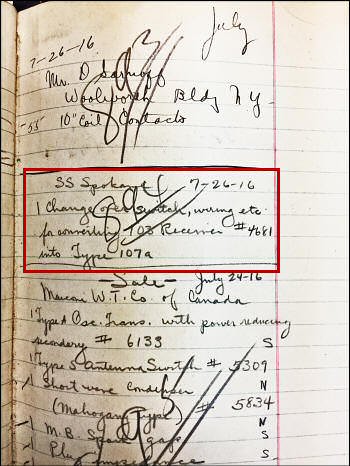
July 26, 1916: Type 103 "tuner" Item Number: 4681 switch and wiring etc. for converting 103 receiver to Type 107a delivered to SS Spokane.
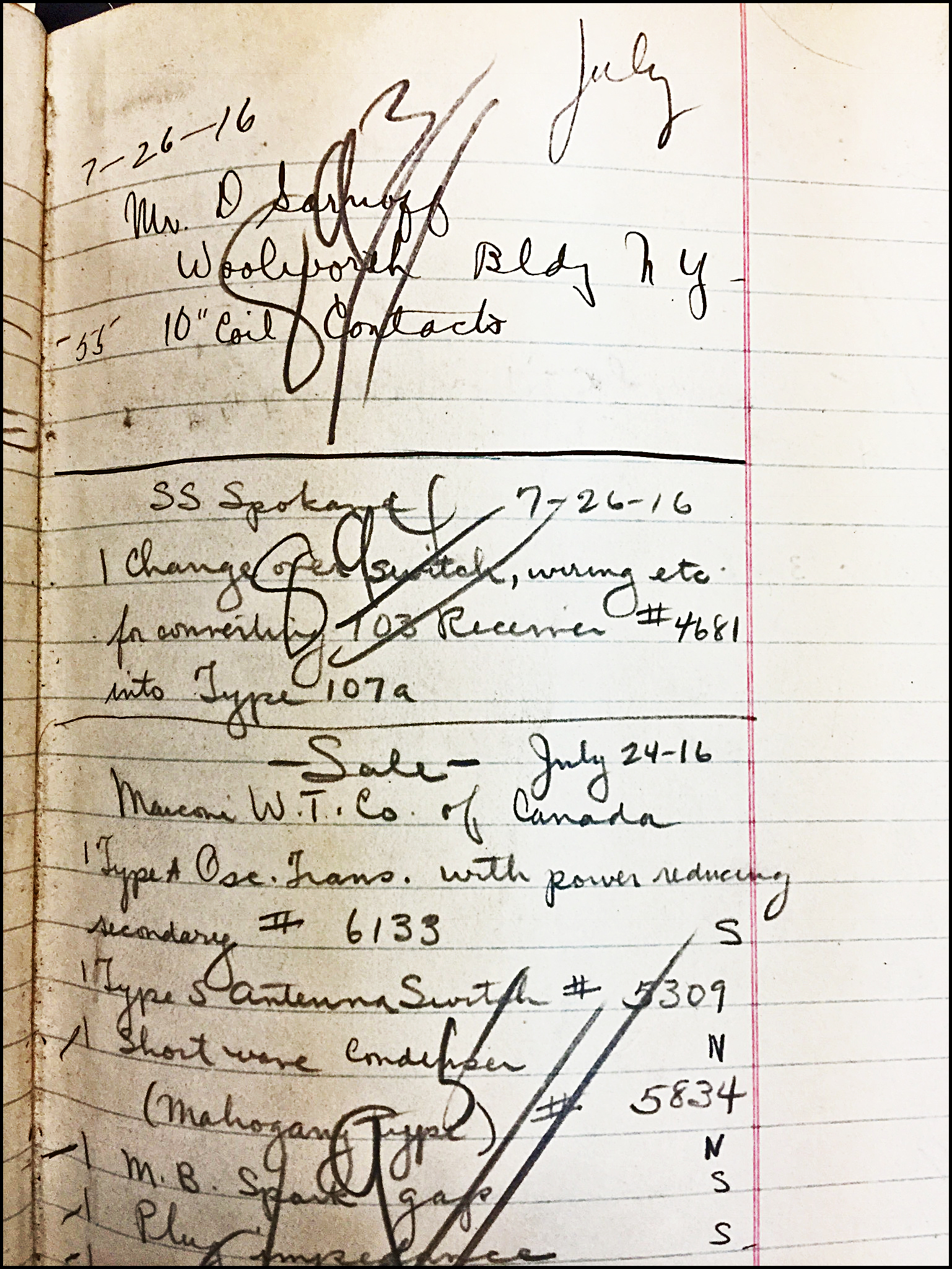
SS Spokane
February 16, 1916: Type 103 "tuner" Item Number: 4681 and equipment required to convert the Type 103 to type 107a was delivered to the SS Spokane.
The journal pages shown above were created by Robert Palmer (W7RD) during the course of his work as west coast agent for the American Marconi Company located in San Francisco, California. Palmer, who worked extensively in Marconi's San Francisco and Seattle offices and personally installed and repaired numerous ship and shore stations, was later recognized as a Spark Gap Pioneer by the American Society of Wireless Pioneers, confirming his commercial radio service prior to 1915. These journal entries document the issuance, receipt, and modification of equipment leased to the wireless operators. The lefthand column contains outgoing items, and the righthand column contains items that were returned to the company. It is believed that Item numbers were assigned randomly from a master list that was incremented as new apparatus was manufactured. (Source: AJ Link)
A Brief History of the SS Spokane
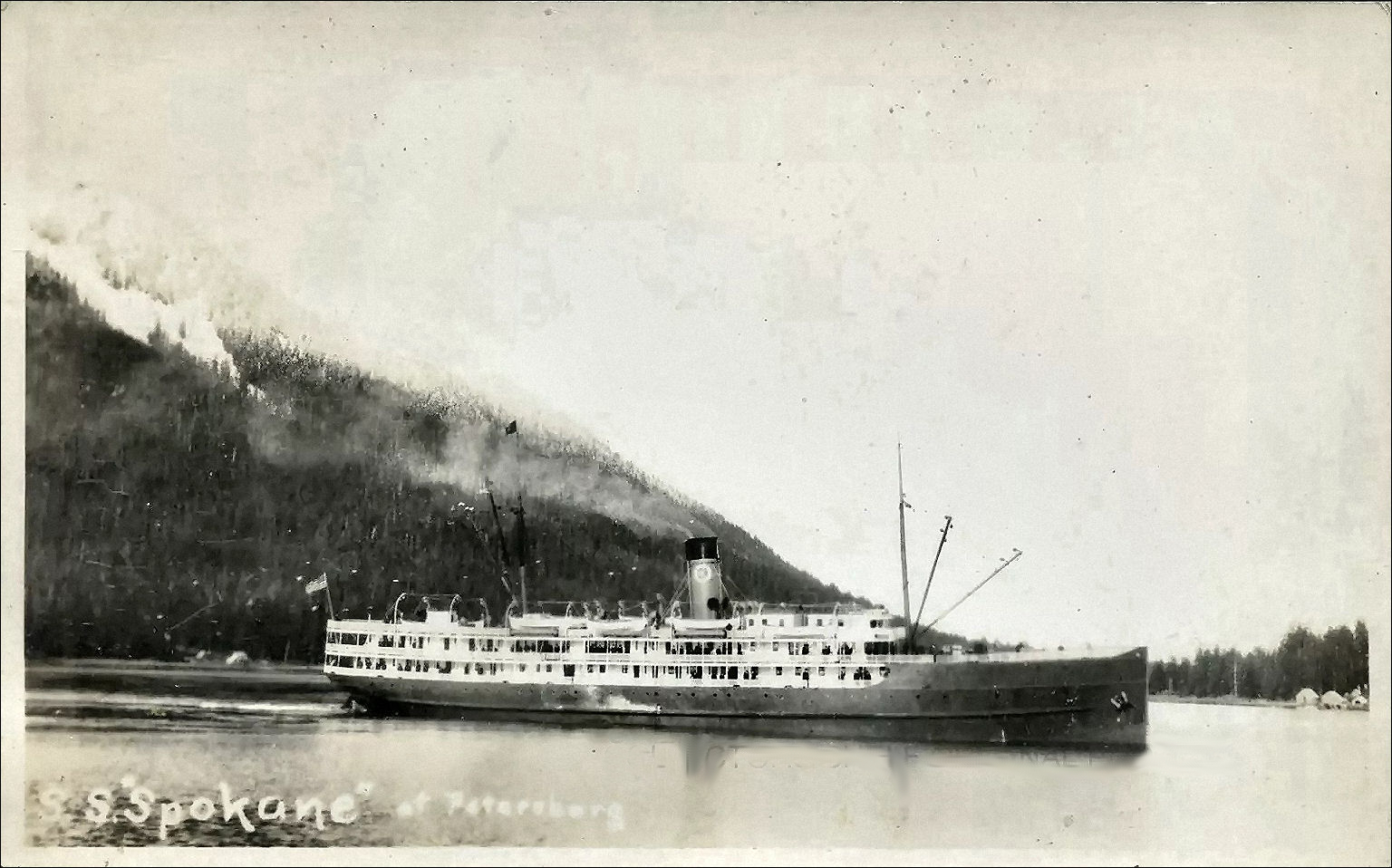
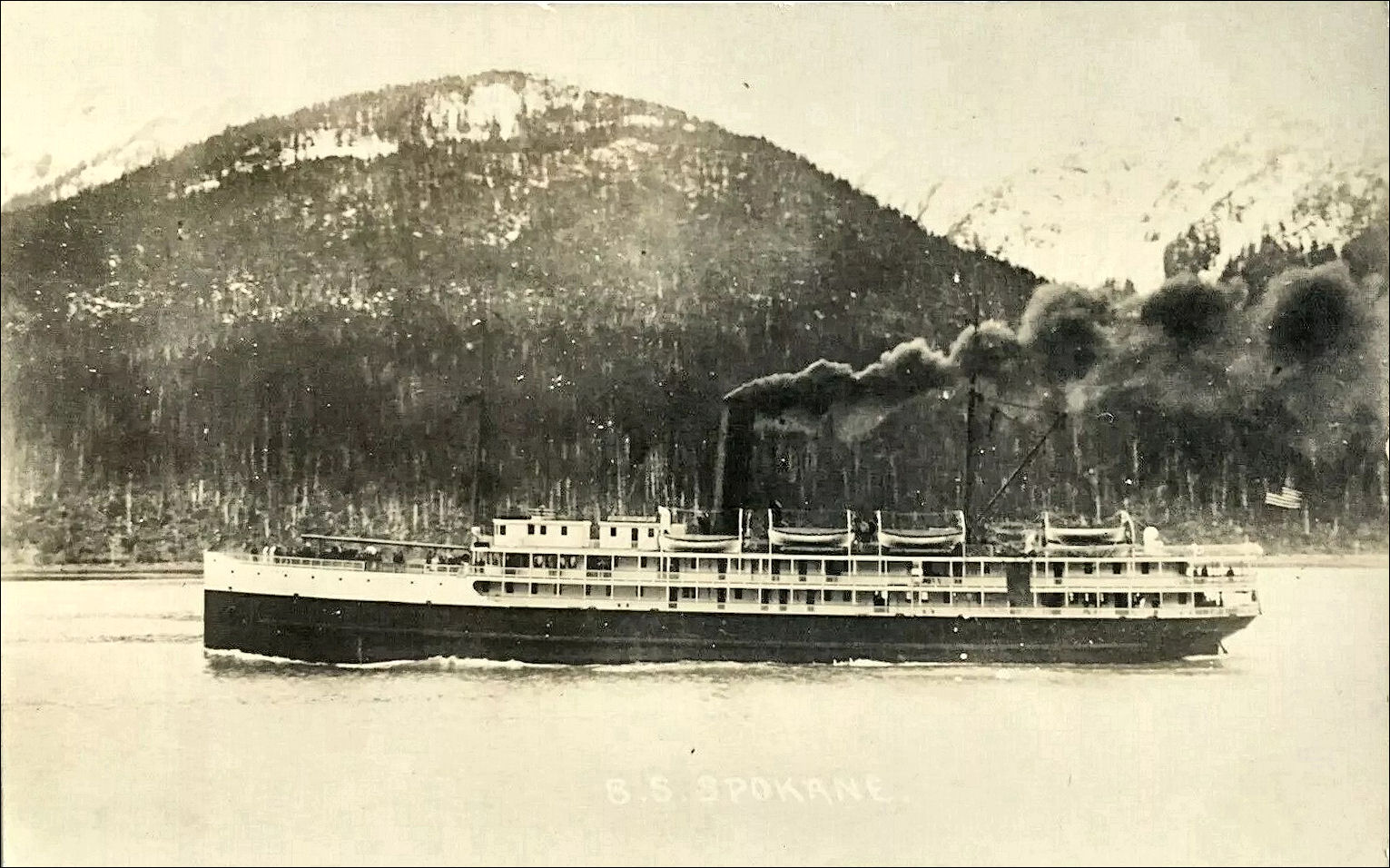
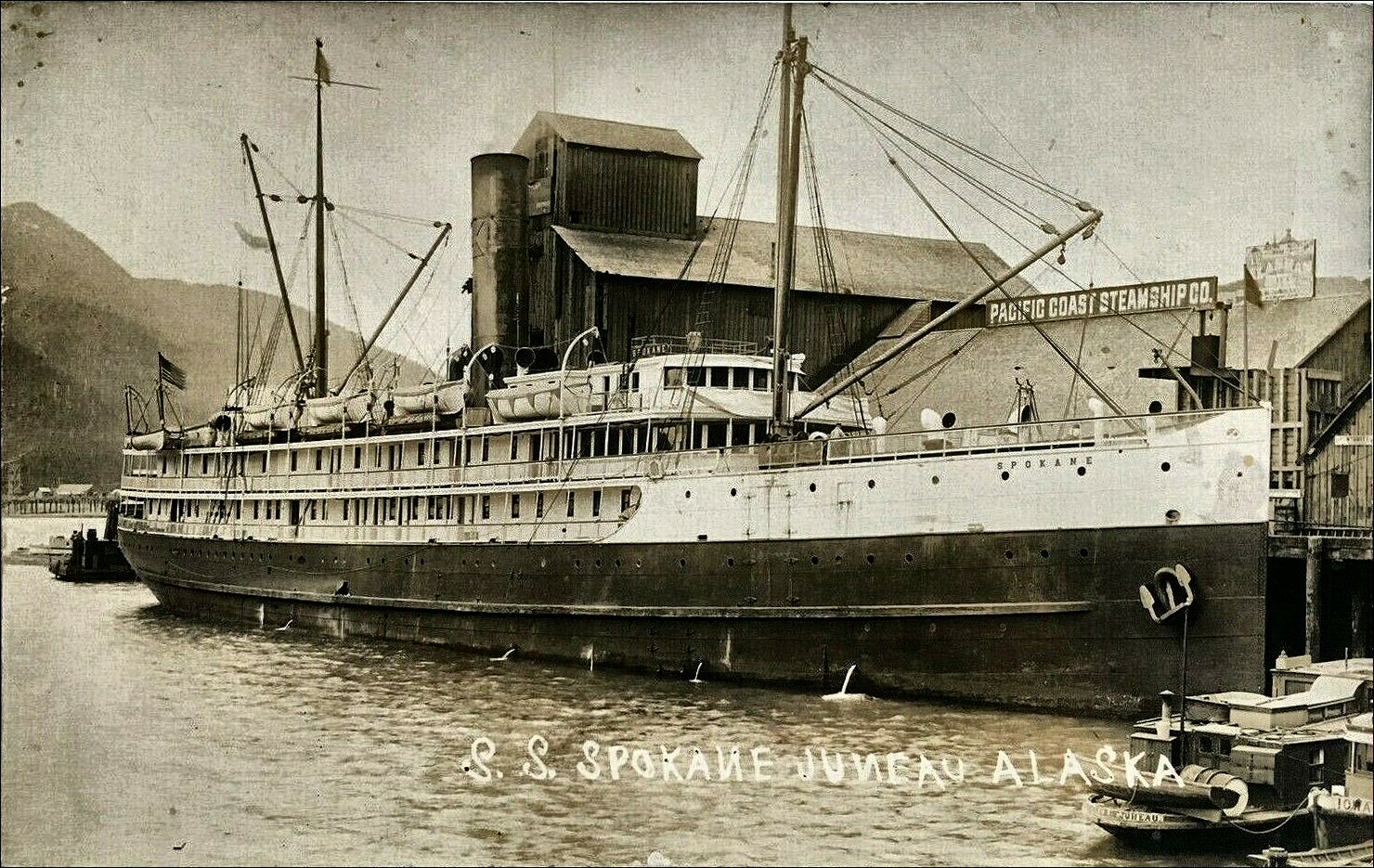
The SS Spokane was a prominent steamship with a long and eventful career on the West Coast of North America. Built in 1883 by William Cramp & Sons in Philadelphia for the Oregon Railway and Navigation Company, she soon entered service with the well-known Pacific Coast Steamship Company, becoming famous for her regular voyages along the Inside Passage between Seattle and Alaska. Period photographs often show her distinctive six-wire flat-top antenna rigged between her masts.
During the Klondike Gold Rush in the late 1890s, the Spokane earned renown as one of the more reliable "Palace Steamers," transporting thousands of hopeful prospectors and vital supplies north towards Skagway and the gold fields.
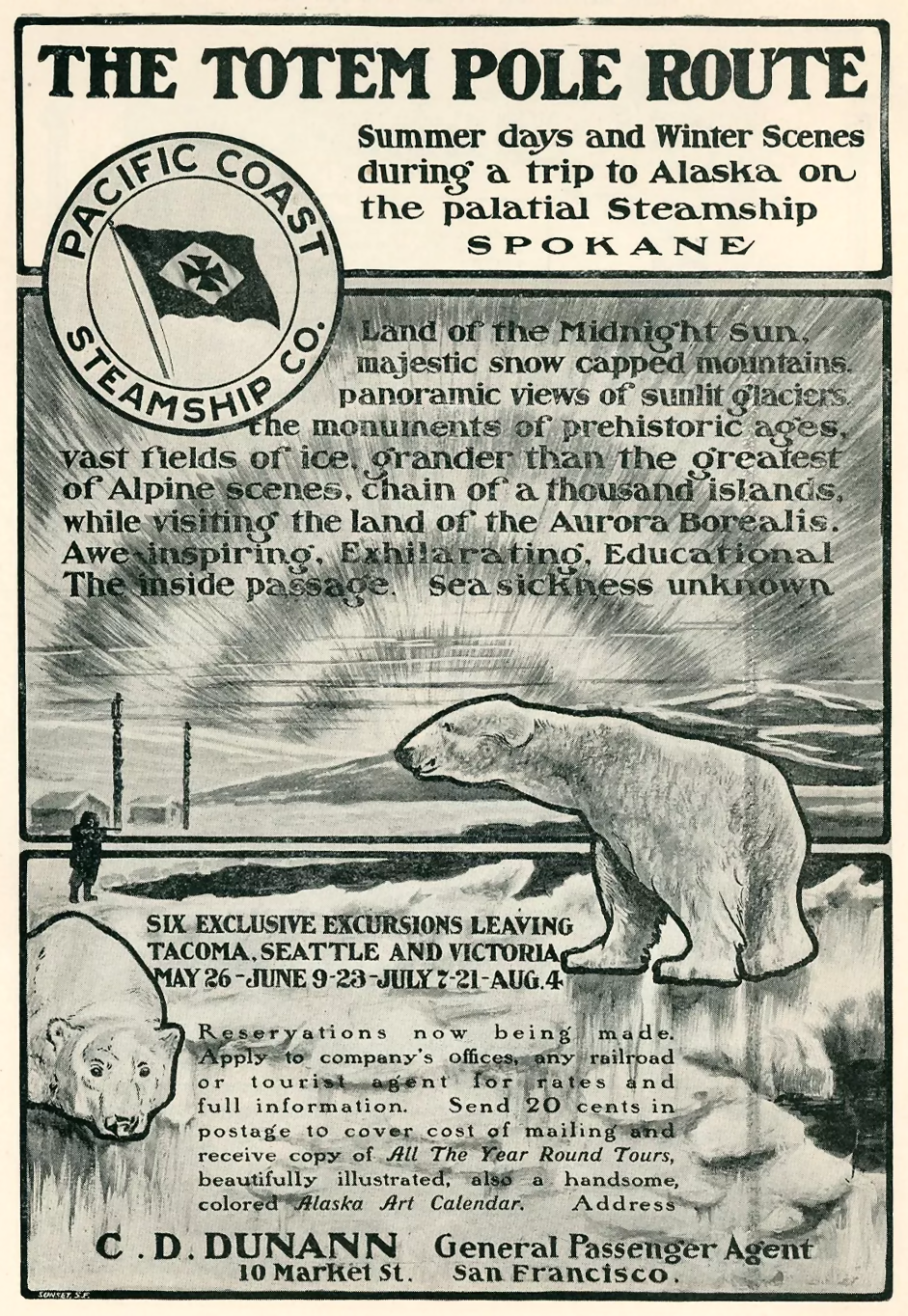
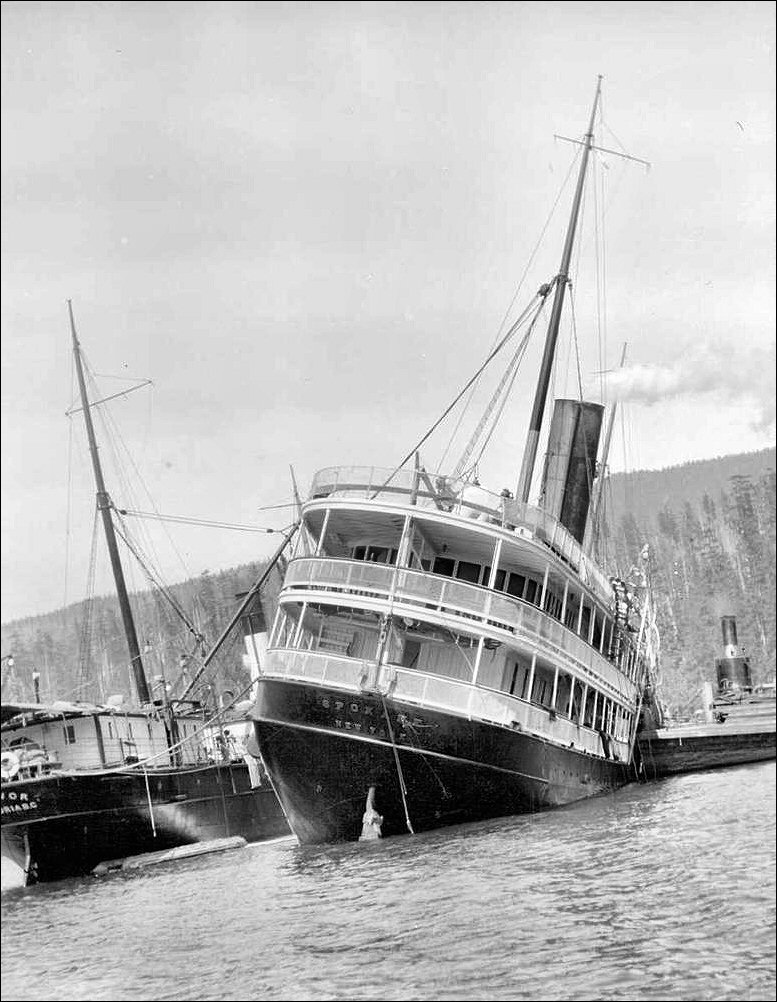
Her resilience was put to the test on June 29, 1911, when she ran hard aground in the treacherous currents of Seymour Narrows, British Columbia. Severely damaged and partially submerged, the vessel was nearly declared a total loss. Lewis Clement, the ship's wireless operator (whose recollections are linked below), was aboard during this dramatic incident. Through a remarkable feat of marine salvage, the Spokane was refloated, repaired, and eventually returned to service.
As detailed in the Marconi logs shown above, the Spokane continued her service into the next decade. On February 16, 1916, she was equipped with the Marconi Type 103 tuner (Item Number 4681), which was subsequently upgraded aboard the ship to the Type 107a configuration featured here on July 26, 1916. The Spokane continued serving the Alaska route through the remainder of the 1910s.
The 1911 Grounding & Lewis Clement
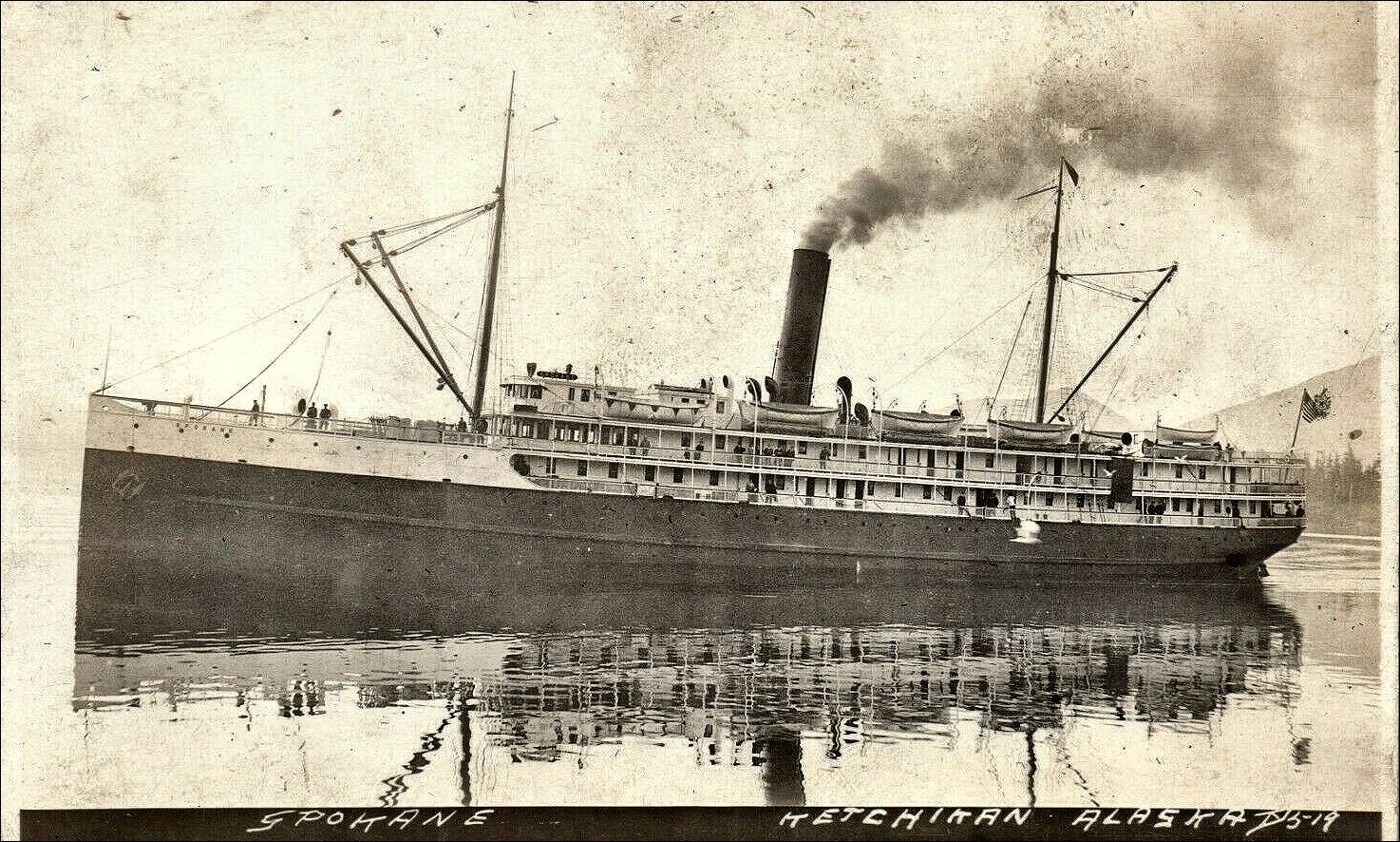
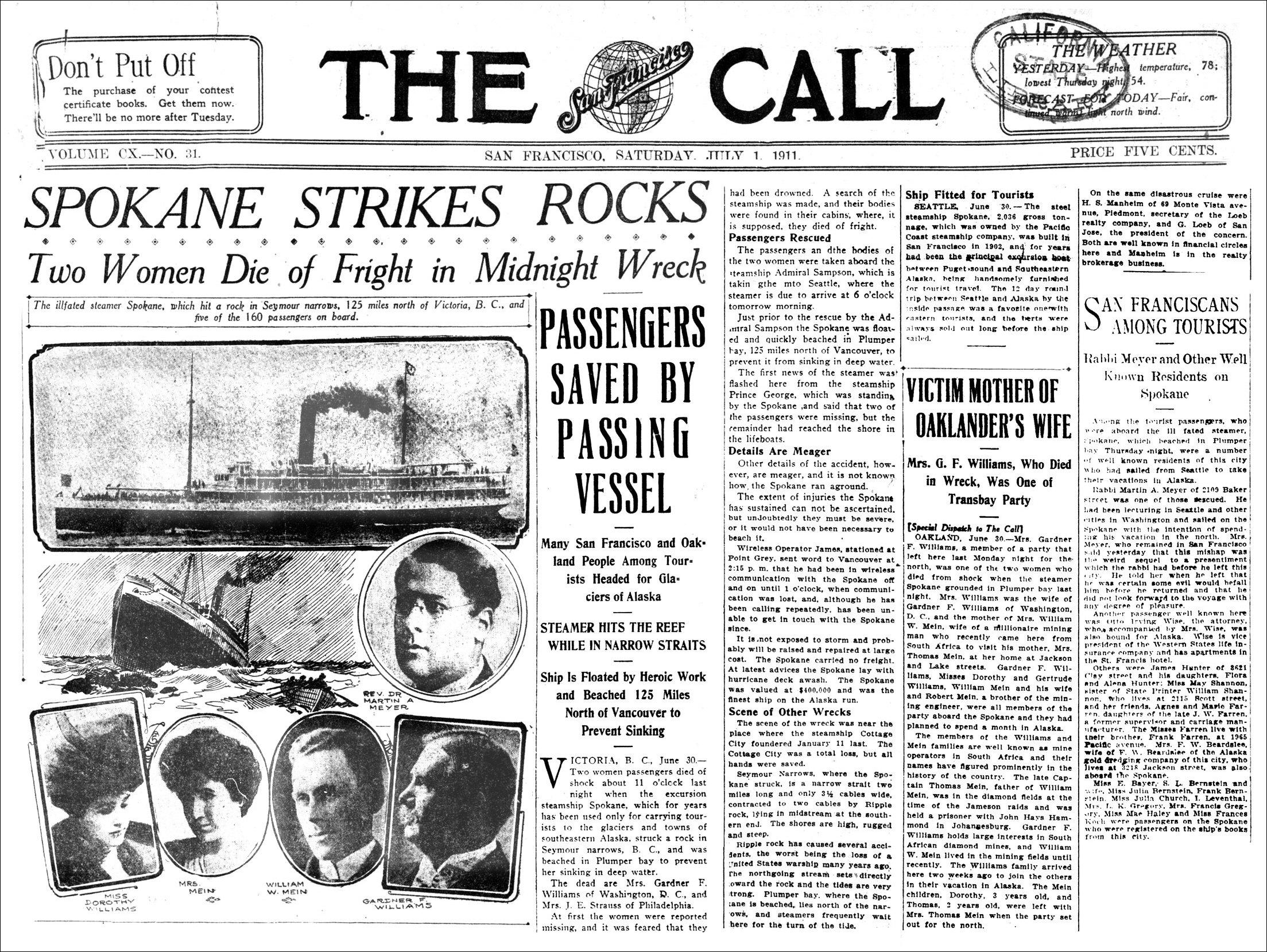
Other SS Spokane Images
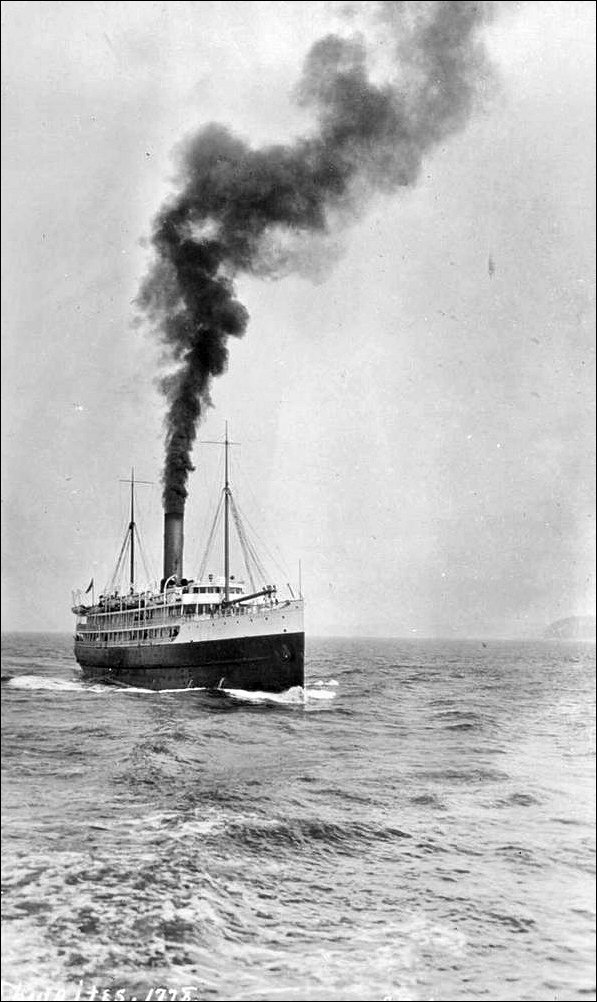

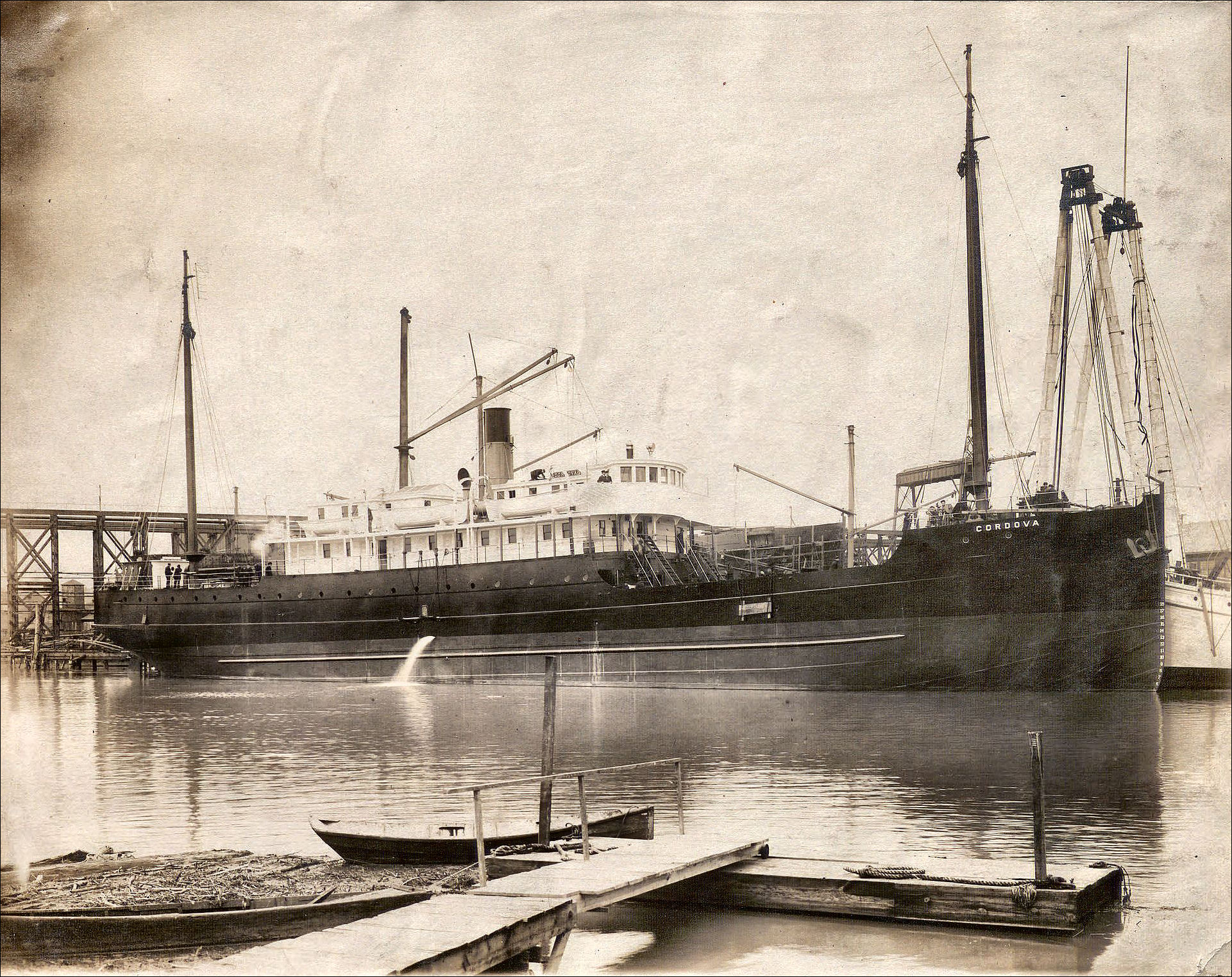
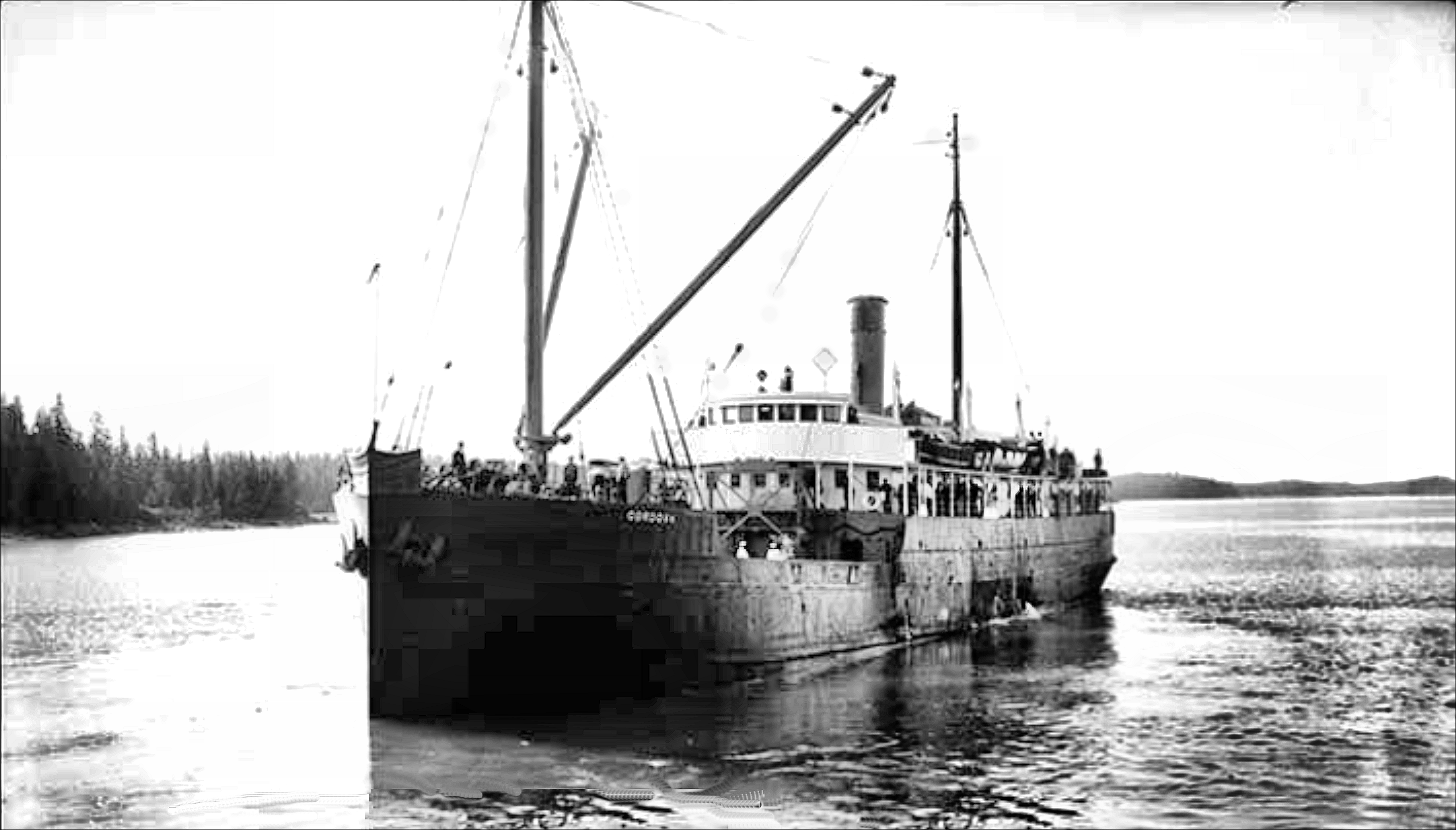
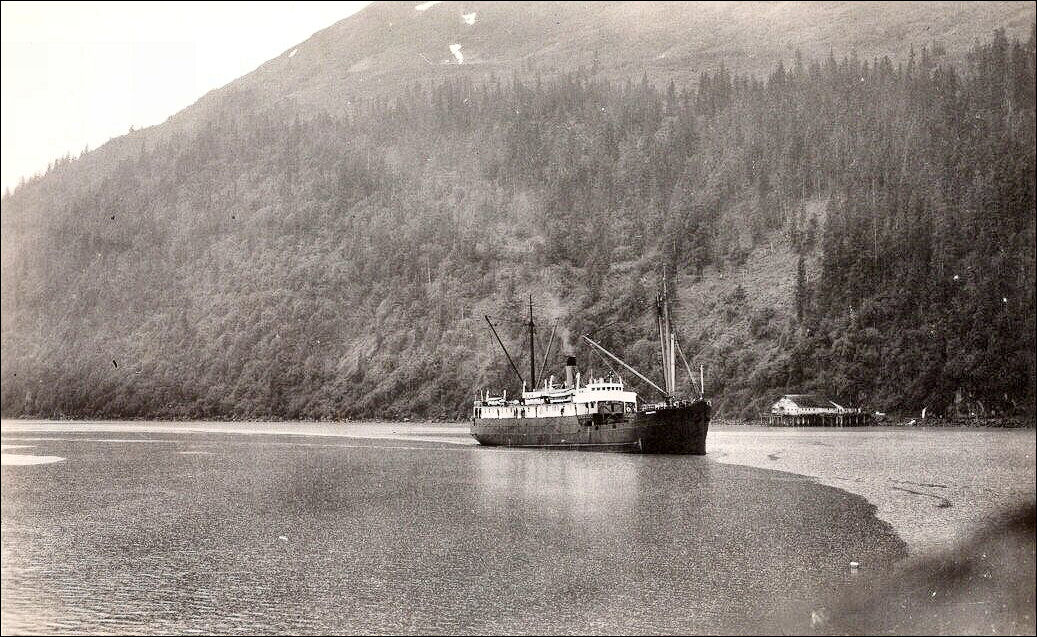
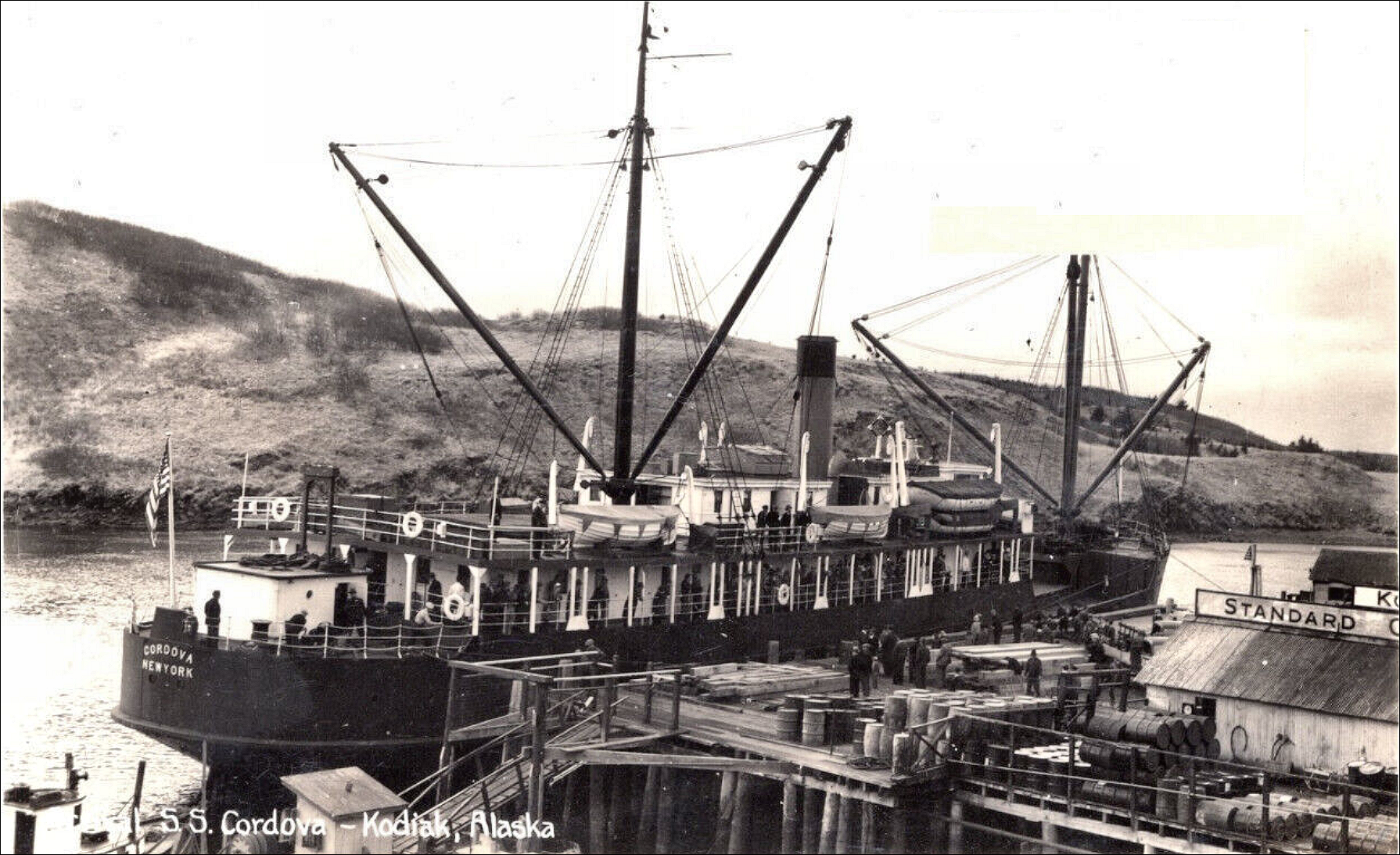
Previous Assignment: SS Cordova (Alaska Steamship Co.)
The Marconi logs indicate that the Type 103 tuner, Item Number 4681, was previously installed on a vessel named Cordova between November 28, 1914, and January 20, 1915, while operating out of the Marconi office in San Francisco.
Research identifies this ship as the SS Cordova (Official Number 205128), a steel passenger and freight steamer built in 1908 and operated by the Alaska Steamship Company. While primarily serving the Seattle-Alaska route (often calling at Cordova, Alaska, for which it was likely named), the ship was homeported in San Francisco during this period. Its size and service made it a typical candidate for Marconi wireless equipment installation.
The SS Cordova continued service with the Alaska Steamship Company through World War II (operated by the War Shipping Administration) and was eventually scrapped in Portland, Oregon, in 1949.